China
Chapter 1: Geography and Nature
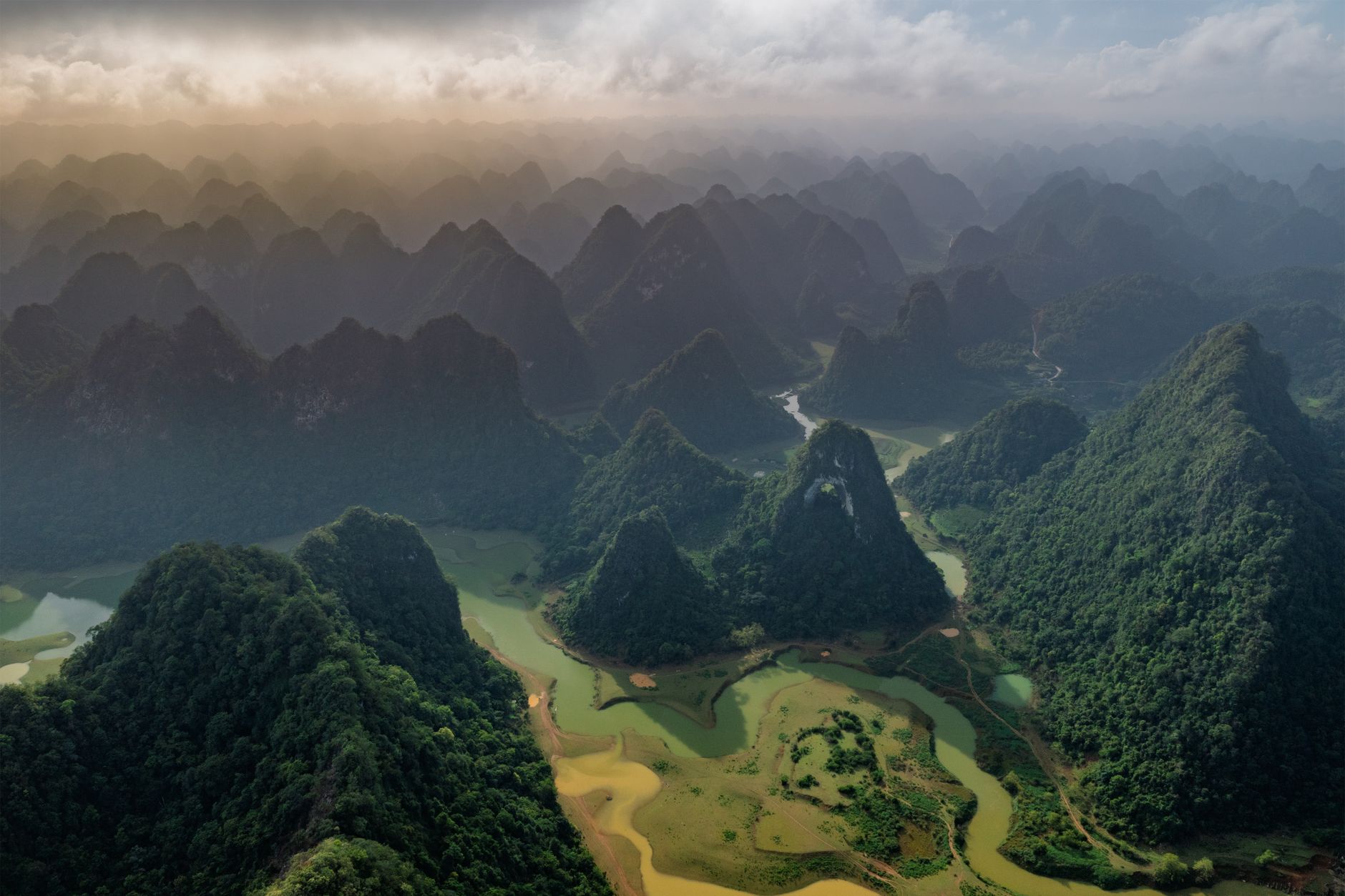
China, officially the People's Republic of China (PRC), is located in East Asia along the western coast of the Pacific Ocean. Covering approximately 9.6 million square kilometers (3.7 million square miles) of land, it is the third-largest country in the world by land area. Under the United Nations Convention on the Law of the Sea (UNCLOS), China also administers roughly 3 million square kilometers (1.16 million square miles) of maritime territory. Stretching across this vast landscape is a 22,000-kilometer land border, where China shares frontiers with 14 neighboring countries: North Korea, Russia, Mongolia, Kazakhstan, Kyrgyzstan, Tajikistan, Afghanistan, Pakistan, India, Nepal, Bhutan, Myanmar, Laos, and Vietnam. Along its 18,000-kilometer mainland coastline, China faces South Korea, Japan, the Philippines, Brunei, Malaysia, and Indonesia across surrounding seas. This strategic location has made China a natural bridge between the Eurasian continent and the Pacific world for thousands of years.
China's terrain is both immense and dramatic, descending from west to east in a spectacular three-step staircase. The first step is the Qinghai-Tibet Plateau, often called the "Roof of the World." With an average elevation exceeding 4,000 meters (13,100 feet), it is not only the birthplace of major rivers such as the Yangtze and Yellow Rivers but also the world's youngest and largest high plateau, exerting profound influence on the climate and ecosystems of Asia and beyond.
Eastward and northward, the land drops to the second step, generally between 1,000 and 2,000 meters (3,300–6,600 feet) above sea level. Here lie many of China's iconic plateaus and basins, including the vast Inner Mongolia Plateau, the deeply eroded Loess Plateau, the picturesque Yunnan-Guizhou Plateau, the barren Tarim Basin, and the fertile Sichuan Basin. Together, these landforms form the structural backbone of China's geography.
The terrain descends once more to the third step, where elevations are mostly below 500 meters (1,640 feet). This region contains China's three great plains—the expansive Northeast China Plain, the densely populated North China Plain, and the fertile Middle and Lower Yangtze Plain, often celebrated as the country's traditional "land of fish and rice." It also includes the Liaodong Hills, Shandong Hills, and the Southeast Hills, making it China's most densely populated and economically developed region.
Towering mountain ranges define China's landscape and serve as important geographical boundaries. These ranges generally fall into three major orientations.
Mountain ranges running east to west include the Tianshan–Yinshan Range in the north, the Kunlun Mountains–Qinling Mountains across central China, and the Nanling Mountains in the south. Among them, the Qinling-Huaihe Line is especially significant, marking the traditional divide between northern and southern China's climates, agriculture, and cultural traditions.
Mountain ranges running north to south, such as the Helan Mountains in Ningxia and the Hengduan Mountains in western Sichuan and Yunnan, create some of the world's most spectacular landscapes of parallel ridges and deep river valleys.
The northeast-to-southwest mountain systems form the framework of eastern China. From the Greater Khingan Mountains (Da Hinggan Range) through the Taihang Mountains, Wushan Mountains, and Xuefeng Mountains, they trace the boundary between China's second and third topographic steps. The Changbai Mountains and Wuyi Mountains are among the most celebrated ranges in eastern China.
China's abundant river systems are the lifeblood of the nation. More than 50,000 rivers have drainage basins exceeding 100 square kilometers. The Yangtze River, stretching approximately 6,300 kilometers (3,915 miles), is the longest river in Asia and the third longest in the world, serving as China's most important inland waterway. The Yellow River, about 5,464 kilometers (3,395 miles) long, is widely regarded as the cradle of Chinese civilization and is affectionately known as the nation's "Mother River." Other major rivers include the Pearl River, the largest river system in southern China; the Huai River, often regarded as the natural dividing line between northern and southern China; the Heilongjiang (Amur River) along the northern border; and the Yarlung Tsangpo River, one of the world's highest major rivers.
China is also home to numerous lakes of exceptional ecological importance. Qinghai Lake is the country's largest inland saltwater lake, while Poyang Lake is its largest freshwater lake. Other major lakes, including Dongting Lake and Taihu Lake, play essential roles in flood control, freshwater storage, and ecological conservation.
Thanks to its vast territory, China spans multiple climatic zones, ranging from the cold temperate zone in the far north to the tropical zone in the south. The country's climate is remarkably diverse. Eastern China is dominated by the temperate monsoon climate and subtropical monsoon climate, characterized by warm, humid summers and abundant rainfall that have supported intensive agriculture for millennia. Northwestern China, far from the influence of the oceans, experiences a temperate continental climate, marked by arid conditions and limited precipitation. Meanwhile, the Qinghai-Tibet Plateau features a distinctive highland climate, where temperatures and ecosystems vary dramatically with elevation. This climatic diversity supports ecosystems ranging from frozen tundra and deserts to lush subtropical forests and tropical rainforests.
China is among the world's most resource-rich countries. In terms of mineral resources, it possesses abundant coal reserves, which remain a cornerstone of the nation's energy supply. China also ranks among the world's leading producers and holders of rare earth elements, resources that are indispensable to modern high-tech industries. Other strategically important minerals—including iron ore, copper, tungsten, and antimony—are also found in significant quantities.
China is equally renowned for its extraordinary biodiversity. It is recognized as one of the world's megadiverse countries, home to thousands of endemic species found nowhere else on Earth. Iconic animals such as the giant panda, golden snub-nosed monkey, Chinese alligator, and crested ibis have become enduring symbols of China's natural heritage. Protecting these unique ecosystems and species remains an essential part of the country's environmental conservation efforts.
Chapter 2: A Historical Journey
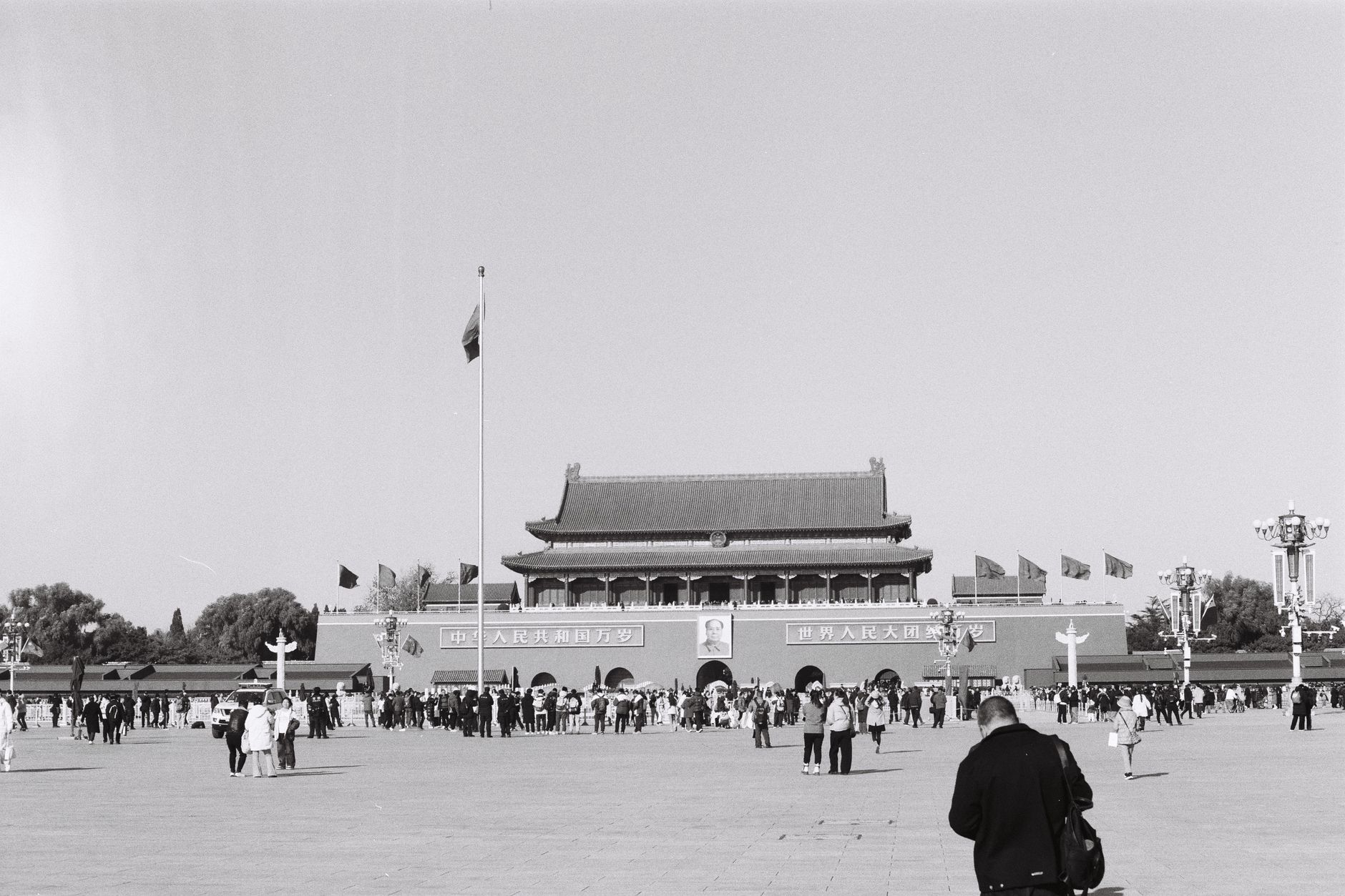
Chinese civilization is the only continuous ancient civilization in the world that has endured without interruption into the present day. Spanning thousands of years, its history flows like an unbroken river, shaping the cultural identity and spiritual foundations of modern China.
The earliest roots of Chinese civilization can be traced back to the Neolithic Age, when diverse regional cultures flourished across the country. Along the Yellow River, the Yangshao Culture became renowned for its beautifully painted pottery, while the Longshan Culture, distinguished by its sophisticated black pottery and early walled settlements, marked the threshold of urban civilization. Farther south in the Yangtze River basin, the Liangzhu Culture revealed the existence of a highly developed early state more than 5,000 years ago through its monumental hydraulic engineering and exquisite jade craftsmanship. Even earlier, the Hemudu Culture demonstrated the long history of rice cultivation in East Asia. Together, these vibrant and interconnected cultures laid the foundations for the pluralistic yet unified character of Chinese civilization.
Around 2070 BCE, the establishment of the Xia Dynasty traditionally marked the beginning of China's dynastic era. It was succeeded by the Shang Dynasty (c. 1600–1046 BCE) and the Zhou Dynasty (1046–256 BCE), during which bronze craftsmanship reached extraordinary heights, ritual and musical traditions became institutionalized, and the cultural identity of the Huaxia people gradually took shape.
In 221 BCE, King Ying Zheng of Qin ended more than five centuries of warfare by founding the Qin Dynasty, China's first unified centralized empire. The Qin standardized the writing system, weights and measures, and the width of cart axles, establishing many of the political and administrative foundations that would shape China for the next two millennia.
The Han Dynasty (202 BCE–220 CE) that followed became one of the most influential periods in Chinese history. It expanded China's territory, opened the legendary Silk Road, and fostered a flourishing economy and culture. The dynasty's enduring legacy was so profound that the majority ethnic group in China continues to identify itself as the Han Chinese. Following the Han came the turbulent era of the Three Kingdoms, followed by the Jin Dynasty and the Northern and Southern Dynasties (220–589 CE), a period characterized by political fragmentation, ethnic integration, and the widespread spread of Buddhism, which profoundly enriched Chinese philosophy, art, and culture.
The Sui Dynasty, established in 581 CE, reunified China after centuries of division. Its introduction of the imperial examination system and construction of the Grand Canal left lasting marks on Chinese governance and infrastructure. It was followed by the Tang Dynasty (618–907), widely regarded as one of the golden ages of Chinese civilization. During this period, China enjoyed remarkable political stability, economic prosperity, and cultural brilliance. The imperial capital of Chang'an was one of the world's greatest cosmopolitan cities, welcoming merchants, diplomats, and scholars from across Asia and beyond. Tang poetry, represented by masters such as Li Bai and Du Fu, remains one of the highest achievements of world literature.
After the Tang collapsed, China experienced another brief era of division known as the Five Dynasties and Ten Kingdoms. In 960, the Song Dynasty reunified much of the country and presided over an era of extraordinary commercial expansion, scientific innovation, and artistic refinement. During the same period, northern China was ruled by the Liao, Western Xia, and Jin dynasties established by neighboring peoples. Ultimately, the Yuan Dynasty (1271–1368), founded by the Mongols, reunified China under one of the largest empires in history.
The Ming Dynasty, established in 1368 after overthrowing Mongol rule, focused on restoring political stability and economic prosperity. During its early years, the legendary admiral Zheng He led seven epic maritime expeditions across the Indian Ocean, achievements unmatched in the history of pre-modern navigation. In later centuries, however, the dynasty adopted increasingly conservative policies, including restrictions on overseas trade.
In 1644, the Manchus from northeastern China entered Beijing and established the Qing Dynasty (1636–1912), the last imperial dynasty in Chinese history. During the reigns of the Kangxi, Yongzheng, and Qianlong emperors, China experienced more than a century of stability, territorial expansion, and economic prosperity. By the nineteenth century, however, mounting internal challenges and growing foreign pressure exposed the limitations of its traditional institutions.
The First Opium War in 1840 marked a profound turning point in Chinese history. Defeat forced China to open its ports to foreign powers and gradually transformed the country into a semi-colonial, semi-feudal society, ushering in what is often remembered as the Century of Humiliation. In response, generations of reformers and revolutionaries sought ways to strengthen and modernize the nation.
Their efforts culminated in the Xinhai Revolution of 1911, which overthrew more than two thousand years of imperial rule and established China's first republic. Political unity, however, remained elusive. In 1937, Japan launched a full-scale invasion of China, plunging the nation into the devastating Second Sino-Japanese War. After eight years of immense sacrifice, the Chinese people achieved their first complete victory against a major foreign invasion in modern history.
Following the end of World War II in 1945, civil war resumed. On October 1, 1949, the People's Republic of China was officially founded, marking the beginning of a new chapter in Chinese history and the emergence of a unified, independent modern nation-state.
A second major turning point came in 1978, when the Reform and Opening-up policy was launched following the Third Plenary Session of the 11th Central Committee of the Communist Party of China. Economic development became the country's primary national priority, leading to decades of rapid growth and unprecedented social transformation.
Subsequent milestones included the return of Hong Kong in 1997, the return of Macau in 1999, and China's accession to the World Trade Organization (WTO) in 2001, which accelerated its integration into the global economy.
Entering the twenty-first century, China has emerged as one of the world's leading economies and an increasingly influential participant in international affairs, playing a significant role in shaping global trade, technological innovation, and sustainable development.
Chapter 3: Administrative Divisions and the Urban System

As the world's most populous country and one of its largest by land area, China has established a comprehensive and highly structured administrative system to ensure effective governance across its vast territory. According to the Constitution, the country's formal administrative hierarchy consists of three principal levels: the provincial level (provinces, autonomous regions, municipalities directly under the central government, and special administrative regions), the county level (counties, autonomous counties, county-level cities, and municipal districts), and the township level (towns, townships, and subdistricts). In practice, however, prefecture-level divisions—including prefecture-level cities, autonomous prefectures, and prefectures—serve as an important intermediate tier, resulting in a de facto four-level administrative structure.
At the highest level, China comprises 34 provincial-level administrative divisions, including 23 provinces, 5 autonomous regions, 4 municipalities directly under the central government, and 2 Special Administrative Regions (SARs). Together, they form the administrative framework of the nation.
Provinces are China's oldest and most fundamental administrative units, exercising broad responsibilities in governance, economic development, and public administration.
Autonomous regions are established in areas with significant ethnic minority populations and operate under China's system of regional ethnic autonomy, allowing for a degree of self-governance while remaining an integral part of the national administrative framework.
The four municipalities directly under the central government occupy especially prominent positions within China's urban system.
- Beijing serves as China's political capital and functions as the nation's center for politics, culture, international exchange, and scientific and technological innovation.
- Shanghai is China's leading international center for finance, trade, shipping, economic activity, and technological innovation.
- Tianjin is an important northern port city and a major hub for advanced manufacturing, research, and international shipping.
- Chongqing, located in southwestern China along the upper Yangtze River, serves as the economic center of the upper Yangtze region and a strategic gateway connecting western and central China.
Along China's southern coast lie the two Special Administrative Regions of Hong Kong and Macau, which operate under the principle of "One Country, Two Systems." Established in light of their unique historical circumstances, they maintain separate legal and economic systems while remaining part of China. Hong Kong is one of the world's leading international financial, trading, and shipping centers, while Macau has developed into a world-renowned tourism and leisure destination and an important platform for cooperation between China and Portuguese-speaking countries.
As China has urbanized at an unprecedented pace, its cities have evolved beyond isolated metropolitan areas into interconnected city clusters that function as major engines of economic growth and innovation. These metropolitan regions have become key units through which China participates in the global economy.
The Beijing-Tianjin-Hebei (Jing-Jin-Ji) Region, anchored by the national capital, serves as China's political and cultural heart and is being developed into a world-class metropolitan region.
The Yangtze River Delta, centered on Shanghai, is one of the country's most dynamic regions, distinguished by its economic vitality, openness to international markets, advanced manufacturing, and technological innovation.
The Guangdong-Hong Kong-Macao Greater Bay Area (GBA) brings together Hong Kong, Macau, and nine major cities in Guangdong Province's Pearl River Delta. It is being developed into a globally competitive bay area and an international center for technological innovation.
Further inland, the Chengdu-Chongqing Economic Circle, built around the twin metropolitan areas of Chengdu and Chongqing, has emerged as China's "fourth growth pole," driving economic development across western China.
Meanwhile, the Middle Reaches of the Yangtze River Urban Agglomeration, centered on Wuhan, serves as a vital transportation and economic hub connecting northern and southern China as well as the eastern and western regions. It also plays a central role in the country's strategy for the development of central China.
China's urbanization represents the largest urban migration and development process in human history. By the end of 2023, the country's urbanization rate had surpassed 66%, meaning that more than 900 million people were living in urban areas. Its urban hierarchy encompasses megacities, very large cities, and numerous medium-sized and smaller cities, forming a broad and interconnected national urban network.
This historic transformation has dramatically increased productivity, accelerated economic growth, and improved the living standards of hundreds of millions of people. At the same time, it has created long-term challenges, including regional development disparities, urban congestion, environmental pressures, and the need for deeper integration between urban and rural areas. Achieving coordinated development among city clusters and advancing people-centered urbanization remain central priorities as China continues its journey toward modernization.
Chapter 4: Ethnic Groups and Culture
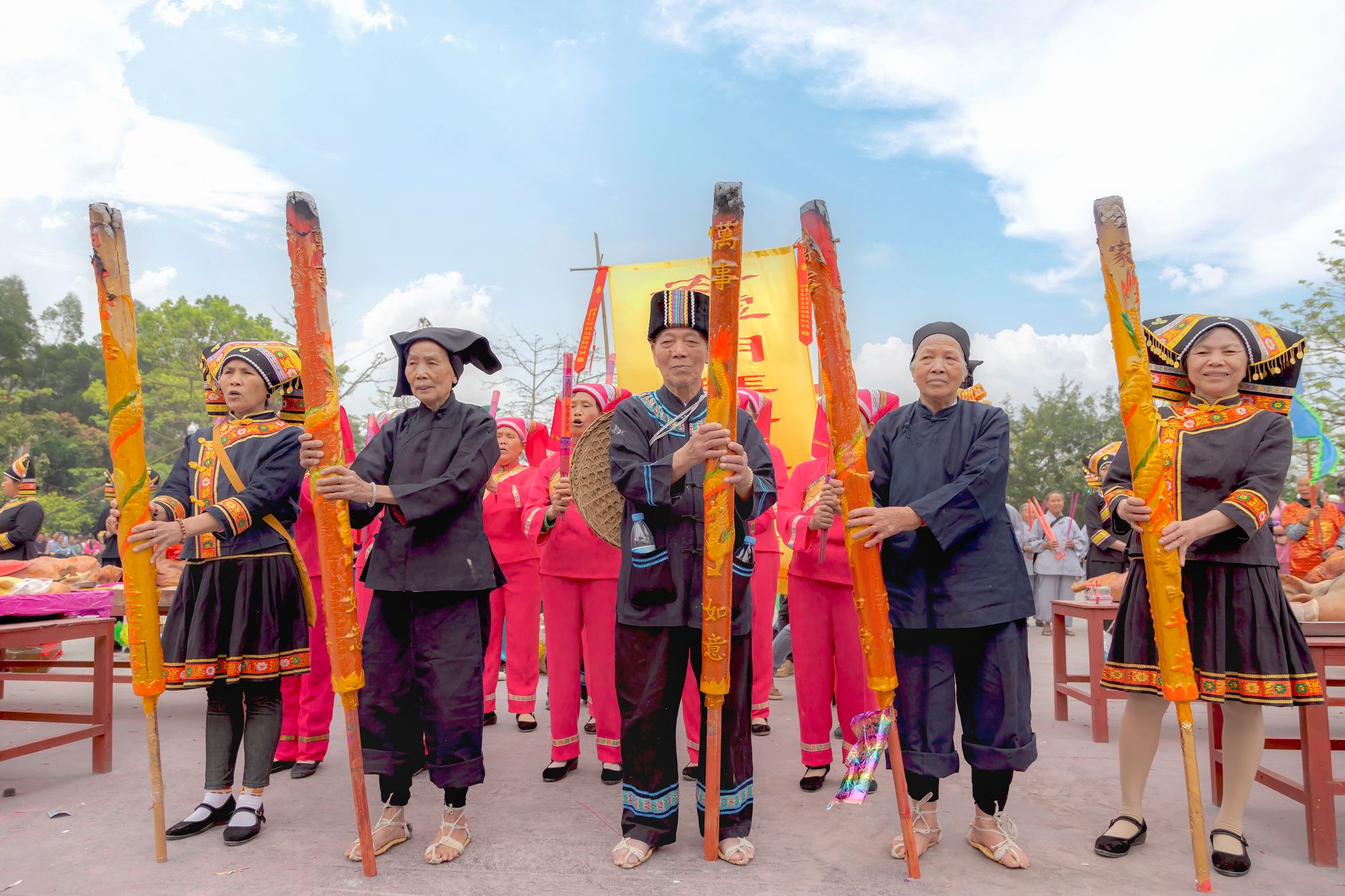
China is a unified multi-ethnic country, a defining feature of its national identity. Throughout its long history, different ethnic groups have continuously interacted, exchanged ideas, and integrated with one another, ultimately giving rise to today's Chinese nation characterized by "unity in diversity." The Chinese government officially recognizes 56 ethnic groups. Among them, the Han ethnic group accounts for approximately 91.5% of the country's population, making it the largest ethnic group in the world. Han people are primarily concentrated in eastern and central China. The remaining 55 ethnic minority groups, collectively referred to as ethnic minorities, make up roughly 8.5% of the population. Although smaller in number, they inhabit vast areas across China's northwest, southwest, and northeast frontier regions, forming a demographic pattern often described as "large-scale intermingling, small-scale concentration, and widespread coexistence."
To safeguard the rights of ethnic minorities to participate in governing their own affairs, China implements the system of regional ethnic autonomy in areas where minority populations are concentrated. Under this system, five provincial-level autonomous regions have been established. The Inner Mongolia Autonomous Region, founded in 1947, was China's first autonomous region for an ethnic minority and remains a showcase of the country's rich grassland culture. The Xinjiang Uygur Autonomous Region, located in the heart of Eurasia, has long served as a vital crossroads along the ancient Silk Road, where diverse cultures have met and flourished. The Guangxi Zhuang Autonomous Region, situated in southwestern China, serves as China's gateway to ASEAN and is renowned for its spectacular karst landscapes and distinctive Zhuang traditions. The Ningxia Hui Autonomous Region, on the upper reaches of the Yellow River, has historically been an important corridor for trade between eastern and western China, reflecting a harmonious blend of Islamic heritage and traditional Chinese civilization. The Xizang Autonomous Region (Tibet) rises on the "Roof of the World" and serves as the spiritual center of Tibetan Buddhism as well as one of the world's most captivating highland destinations. Together, these autonomous regions play an irreplaceable role in safeguarding border stability, promoting ethnic unity, and supporting balanced national development.
Language is both the carrier of culture and a powerful symbol of ethnic identity. To facilitate communication across a vast and unified country, Putonghua (Standard Chinese)—based on the pronunciation of Beijing, the Northern Chinese dialects as its linguistic foundation, and modern standard vernacular Chinese as its grammatical norm—has been established as China's official national language and is widely promoted nationwide. At the same time, China's linguistic landscape is remarkably diverse. Chinese itself is traditionally divided into seven major dialect groups: Mandarin, Wu, Xiang, Gan, Hakka, Yue (Cantonese), and Min. The differences between these dialects can be so significant that speakers from different regions may find one another difficult to understand, giving rise to the saying, "Speech changes every few miles." In addition, most ethnic minority groups have their own native languages, and some also maintain their own writing systems. Scripts such as Mongolian, Tibetan, and Uygur enjoy legal status alongside Chinese within their respective autonomous regions.
The essence of Chinese civilization lies in its unity through diversity, where distinct cultural traditions coexist within a shared national identity. The traditional culture of the Han people, which has profoundly shaped Chinese civilization, is deeply rooted in Confucianism, emphasizing the values of benevolence, righteousness, propriety, wisdom, and integrity. Traditional festivals—including the Spring Festival (Chinese New Year), Qingming Festival, Dragon Boat Festival, and Mid-Autumn Festival—are celebrated throughout the country and have become shared cultural occasions for people of all ethnic backgrounds. Likewise, Chinese calligraphy, traditional Chinese painting, and Peking Opera are widely recognized as iconic symbols of Chinese culture.
At the same time, the cultural traditions of China's ethnic minorities add extraordinary richness to the nation's cultural heritage. Celebrations such as the Shoton Festival of the Tibetans, the Naadam Festival of the Mongolians, the Meshrep gatherings of the Uygurs, and the Water-Splashing Festival of the Dai people each showcase unique customs and artistic traditions that continue to captivate visitors from around the world. This ideal of "appreciating the beauty of every culture while celebrating beauty in diversity" forms one of the enduring sources of vitality within Chinese civilization.
As of today, China has 43 elements inscribed on UNESCO's Representative List of the Intangible Cultural Heritage of Humanity, the highest number of any country in the world. These include Kunqu Opera, the Guqin and its music, Chinese calligraphy, and the Twenty-Four Solar Terms, all of which are treasured not only as symbols of Chinese civilization but also as invaluable cultural heritage shared by all humanity.
Chapter 5: Economy and Industry

Since the launch of Reform and Opening-up in 1978, China has achieved one of the fastest and most remarkable periods of economic growth in human history, creating what is widely regarded as an economic miracle. Today, China is the world's second-largest economy, with its GDP consistently ranking second globally. It is also the world's largest trading nation and the largest exporter of goods, serving as a major trading partner for more than 120 countries and regions. As the world's largest manufacturing nation, China possesses the world's most comprehensive industrial system. Its manufacturing value added has ranked first globally for many consecutive years, making the country a central hub in global supply chains and industrial value chains.
Over the past several decades, China's industrial structure has undergone continuous transformation and upgrading, resulting in a significant shift in the relative importance of its three economic sectors. The primary sector (agriculture) remains the foundation of the national economy. With only about 7% of the world's arable land, China feeds nearly 20% of the global population. Agricultural production has steadily modernized, transitioning from traditional farming toward advanced, technology-driven agriculture. The secondary sector (industry and construction) continues to serve as the backbone of the economy. China's industrial base encompasses every category defined by the United Nations' industrial classification system. From raw materials and heavy industries to advanced equipment manufacturing, consumer goods, and precision instruments, products made in China are found throughout the world. Particularly noteworthy is the country's infrastructure development, which has become not only a major engine of economic growth but also the source of numerous world-class engineering achievements. Meanwhile, the tertiary sector (services) has become the largest contributor to China's economy, driving both employment and economic expansion. Within this sector, the digital economy—powered by e-commerce, mobile payments, cloud computing, and the sharing economy—has expanded rapidly to become one of the largest in the world, fundamentally reshaping the daily lives of hundreds of millions of people.
Given its vast territory, China exhibits distinct regional patterns of economic development, creating a diversified economic landscape. The eastern coastal region, benefiting from its geographic advantages and early integration into the global economy, has become the country's most prosperous area. It is home to the majority of China's advanced manufacturing industries, modern service sectors, technological innovation, and international trade. The central region serves as a strategic bridge between east and west, as well as north and south. It plays a crucial role in ensuring national food security while increasingly attracting industries relocating from the coast as part of the country's regional development strategy. The western region, characterized by abundant natural resources and relatively low population density, serves as both an important strategic hinterland and a vital ecological barrier. Through the Western Development Strategy, the region has made significant progress in transportation infrastructure, energy development, and the cultivation of regionally distinctive industries. The northeastern region, traditionally China's industrial heartland, possesses a strong manufacturing foundation and is currently undergoing comprehensive revitalization through industrial restructuring, technological upgrading, and economic diversification.
China's economic development has produced a series of landmark achievements that have attracted worldwide attention. Its extensive high-speed railway network, with an operating length exceeding 42,000 kilometers, accounts for more than two-thirds of the world's total high-speed rail mileage, dramatically reducing travel times and reshaping patterns of mobility across the country. The Hong Kong–Zhuhai–Macao Bridge, the world's longest sea-crossing bridge system, has greatly strengthened connectivity within the Guangdong-Hong Kong-Macao Greater Bay Area. The South-to-North Water Diversion Project, one of the largest water engineering projects ever undertaken, redistributes water resources from the country's water-rich south to its more arid northern regions. Likewise, the West-to-East Gas Pipeline Project transports abundant natural gas from western China to the energy-intensive eastern provinces. These national mega-projects demonstrate China's remarkable capacity for large-scale planning, resource mobilization, and engineering innovation.
Looking ahead, China's economy faces a number of structural challenges alongside new opportunities for transformation. An increasingly aging population is placing growing pressure on the labor force and the social security system. Environmental protection and ecological sustainability remain critical priorities, requiring a more effective balance between economic development and environmental conservation in pursuit of greener growth. Regional disparities and the uneven distribution of development between urban and rural areas continue to present significant policy challenges, making the pursuit of common prosperity a major long-term objective. As China transitions from a phase of rapid expansion to one focused on high-quality development, building a modern economic system, fostering technological innovation, and strengthening innovation-driven growth have become central priorities for the country's future.
Chapter 6: Science, Technology, and Innovation

Science and technology form the foundation of national strength, while innovation serves as the driving force behind a nation's progress. From the early years of the People's Republic of China, when the country faced severe technological and industrial limitations, to its emergence as one of the world's leading innovation hubs, China has pursued a path centered on self-reliance and indigenous innovation. The origins of this journey can be traced back to the "Two Bombs, One Satellite" program of the 1960s and 1970s, which successfully developed the atomic bomb, ballistic missile, and artificial satellite. These achievements not only broke international technological monopolies but also laid the strategic foundation for China's national security and fostered a lasting spirit of scientific self-reliance.
Entering the 21st century, China's scientific and technological capabilities have advanced at an unprecedented pace, particularly in space exploration. From being a latecomer in the global space race, China has become one of the world's leading spacefaring nations. The country's three-step human spaceflight program has been successfully completed, culminating in the construction of the Chinese Space Station (Tiangong), a permanently crewed orbital laboratory that provides China with an independently operated platform for long-term scientific research in space. The Chang'e Lunar Exploration Program achieved humanity's first-ever soft landing on the far side of the Moon and successfully returned lunar samples to Earth. Meanwhile, the Tianwen-1 Mars Mission accomplished orbiting, landing, and rover deployment in a single mission, making China the second country in history to successfully land and operate a rover on Mars. In addition, the independently developed BeiDou Navigation Satellite System (BDS) has achieved full global coverage, providing high-precision positioning, navigation, and timing services worldwide. It is recognized by the United Nations as one of the world's major global satellite navigation systems.
In the fiercely competitive field of information technology, China has steadily progressed from following international leaders to competing alongside—and in some areas leading—them. The country has built the world's largest and one of the most advanced 5G networks, with both the number of 5G base stations and subscribers accounting for more than 60% of the global total. This extensive infrastructure provides the foundation for the development of smart cities and the Internet of Things. Artificial Intelligence (AI) has also become one of China's fastest-growing strategic industries, with applications spanning public security, finance, healthcare, education, intelligent manufacturing, and autonomous transportation. Meanwhile, China's supercomputers, including Sunway TaihuLight, have repeatedly ranked among the world's fastest, demonstrating world-class capabilities in high-performance computing and scientific research.
Technological innovation has also transformed China's infrastructure and transportation systems. High-speed rail technology, initially developed through technology transfer and localization before evolving into fully independent innovation, has become one of China's most recognized technological achievements. Renowned for its speed, safety, efficiency, and reliability, China's high-speed railway network is now the largest and most extensive in the world. Likewise, the country's bridge and tunnel engineering has reached world-leading standards, overcoming formidable geographical challenges by connecting mountains, rivers, and seas through landmark engineering projects. Highly automated smart ports, such as Shanghai Yangshan Deep-Water Port Phase IV, demonstrate the successful integration of artificial intelligence, automation, and logistics, significantly improving operational efficiency in global maritime trade.
As the world confronts climate change and accelerates the transition toward cleaner energy, China has made substantial investments in renewable energy and environmental technologies, becoming the world's largest producer and investor in renewable energy. China's photovoltaic (solar) industry leads the world across the entire supply chain, from raw materials to solar modules. Its wind power sector has maintained the world's largest installed capacity for many consecutive years, with vast wind farms stretching across the western deserts and offshore coastal regions. In the field of electric vehicles (EVs), China has not only become the world's largest market for new energy vehicles but has also established one of the most complete and competitive EV industrial ecosystems, positioning itself as a major driver of the global transformation of the automotive industry.
China has also achieved remarkable progress in biomedicine and agricultural science, fields that directly affect people's well-being. Academician Yuan Longping, widely known as the "Father of Hybrid Rice," and his research team developed hybrid rice varieties that dramatically increased grain yields, making an extraordinary contribution to food security in both China and around the world. In recent years, Chinese scientists have reached internationally advanced levels in fields such as genomics, protein science, and biotechnology. During the COVID-19 pandemic, researchers rapidly developed vaccines and therapeutic drugs using multiple technological approaches, demonstrating the country's growing capacity for scientific innovation and emergency research.
China's expanding innovation ecosystem has also given rise to several regional centers of technological excellence. Beijing's Zhongguancun Science Park, often referred to as "China's Silicon Valley," serves as the country's leading hub for fundamental research and original scientific innovation. Shanghai is building a globally influential science and technology innovation center, with Zhangjiang Science City emerging as a world-class cluster for life sciences, integrated circuits, and advanced research. Shenzhen, transformed by decades of Reform and Opening-up into one of China's most dynamic innovation cities, benefits from a highly developed electronics manufacturing ecosystem and a vibrant entrepreneurial culture, making it a global center for applied innovation, hardware development, and technology commercialization. Together, these regional innovation hubs form an interconnected network that continues to drive China's scientific and technological advancement.
Chapter 7: Transportation and Infrastructure

Building a modern, integrated transportation network that spans a vast territory and connects more than a billion people has been fundamental to China's national unity, economic development, and improvement of living standards. After decades of sustained investment and construction, China has established one of the world's largest and most advanced infrastructure systems. Today, a comprehensive multimodal transportation network—comprising the "Eight Vertical and Eight Horizontal" High-Speed Rail Network, the National Expressway Network, world-class seaports, and an extensive civil aviation system—forms the backbone of the country's connectivity.
China's railway network now extends over 155,000 kilometers, making it one of the largest in the world. The most remarkable achievement is its high-speed railway system. The core framework of the "Eight Vertical and Eight Horizontal" High-Speed Rail Network has been largely completed, efficiently linking the country's major urban clusters and connecting Beijing, Shanghai, Guangzhou, and most provincial capitals into what is often described as a "one-day travel circle." By dramatically reducing travel times, the network has transformed regional connectivity and stimulated economic growth across vast areas of the country. Among its engineering milestones, the Qinghai–Xizang Railway stands as one of the greatest achievements in the history of railway construction. Crossing the world's highest plateau, the railway overcame extraordinary challenges—including extreme altitude, oxygen deficiency, and extensive permafrost—to integrate the Xizang Autonomous Region into China's national railway network. Major railway hubs such as Beijing, Zhengzhou, Wuhan, and Xi'an play vital roles in handling the country's enormous passenger and freight volumes.
China's highway network extends transportation access to virtually every corner of the country. With more than 170,000 kilometers of expressways, China operates the world's longest expressway network. The National Expressway Network, consisting of radial routes from Beijing together with north-south and east-west corridors, provides seamless connections between cities nationwide. Equally significant has been the Village Road Connectivity Program, which has enabled all eligible townships and incorporated villages to gain access to paved roads and regular bus services. This achievement has greatly improved rural mobility, strengthened logistics networks, and laid an essential foundation for poverty alleviation and rural revitalization.
China's civil aviation network has also expanded rapidly. Major international aviation hubs—including Beijing Capital International Airport, Beijing Daxing International Airport, Shanghai Pudong International Airport, Guangzhou Baiyun International Airport, and Chengdu Tianfu International Airport—serve as key gateways connecting China with the rest of the world. At the same time, an increasingly comprehensive network of regional airports has extended air transportation to remote and previously less accessible areas, creating an aviation system that combines major hubs with extensive regional coverage and convenient nationwide connectivity.
China's water transportation system fully utilizes the country's abundant rivers and extensive coastline, serving as a vital artery for both domestic bulk cargo and international trade. The Yangtze River, often referred to as China's "Golden Waterway," has consistently ranked first among the world's inland waterways in annual cargo throughput, driving economic development throughout the Yangtze River Basin. The Pearl River system serves as another major inland shipping corridor, linking southwestern China with the Guangdong-Hong Kong-Macao Greater Bay Area. Along China's coastline, world-class ports—including the Port of Shanghai, Port of Ningbo-Zhoushan, Port of Shenzhen, and Port of Qingdao—consistently rank among the busiest container ports in the world, supporting China's role as both a global manufacturing center and one of the world's largest trading economies.
Beyond conventional transportation networks, China has undertaken a series of cross-regional mega-projects that have fundamentally reshaped the country's resource allocation and regional development. The Hong Kong–Zhuhai–Macao Bridge, an engineering masterpiece integrating bridges, artificial islands, and an undersea tunnel, has reduced travel time between Hong Kong, Zhuhai, and Macao from approximately four hours to around thirty minutes by road. The South-to-North Water Diversion Project, the largest inter-basin water transfer project ever constructed, channels water from the Yangtze River Basin to the water-scarce regions of northern China through eastern, central, and western routes, significantly improving the country's long-term water resource distribution. The West-to-East Gas Pipeline Project transports abundant natural gas from western China to the energy-intensive eastern regions, while the West-to-East Electricity Transmission Project delivers electricity generated from hydropower, thermal power, wind, and solar energy in western China to major population and industrial centers in the east.
The significance of these vast infrastructure networks extends far beyond their physical scale. They serve as the essential framework that strengthens national integration, supports the development of a unified domestic market, promotes balanced regional growth, and enhances the country's capacity for coordinated governance across its immense territory. Together, they have transformed a geographically vast and topographically diverse nation into a highly interconnected modern economy, enabling the efficient movement of people, goods, energy, and information on an unprecedented scale.
Chapter 8: Travel Guide

For travelers eager to explore this ancient yet dynamic nation, China offers a travel experience of extraordinary scale, diversity, and depth. The following overview provides a practical introduction to help you prepare before your journey.
The first step in planning your trip is understanding visa and entry requirements. Most foreign nationals are required to obtain a visa before entering China, with common categories including Tourist (L), Business (M), and Family Visit (Q2) visas. In recent years, China has introduced a series of visa-free transit policies, allowing eligible travelers from designated countries to stay temporarily in certain regions while transiting to a third country or region. These policies have been expanded and adjusted over time to facilitate international travel. Because entry regulations are subject to change, travelers should always confirm the latest requirements through the official website of the nearest Chinese embassy or consulate before departure.
Given China's vast territory, the best time to visit varies by region, meaning there is always an ideal destination regardless of the season. In general, spring (April to May) and autumn (September to October) offer the most pleasant weather across much of the country, especially in the populous eastern regions, with comfortable temperatures and beautiful scenery. Summer (June to August) is warmer and wetter, but it is also the perfect season to explore the grasslands of Inner Mongolia, the Qinghai–Tibet Plateau, and the cooler destinations of northern China. Winter (November to March) presents dramatically different experiences across the country: northern China becomes a snowy wonderland ideal for winter sports and ice festivals, while southern regions remain comparatively mild. Visiting Northeast China during this season offers the unforgettable spectacle of the world-famous Harbin Ice and Snow Festival.
Regarding currency and payment, China's official currency is the Renminbi (RMB, ¥). Over the past decade, the country has rapidly evolved into one of the world's most advanced cashless societies. Mobile payment platforms such as Alipay and WeChat Pay are accepted almost everywhere—from shopping malls and restaurants to street vendors, public transportation, and utility payments—allowing most daily transactions to be completed with a smartphone. International visitors are encouraged to download these apps and link an eligible overseas bank card before or during their trip. At the same time, Chinese law requires merchants to accept cash, so carrying a small amount of RMB remains a sensible backup.
Language and communication are common concerns for international visitors. Mandarin Chinese (Putonghua) is the country's official language and is spoken nationwide. In major cities and popular tourist attractions, many service staff possess basic English communication skills. However, language barriers may become more noticeable in smaller cities and rural areas. Translation applications capable of voice, camera, and real-time conversation translation can greatly improve communication. Learning a few simple Chinese expressions, such as "Hello," "Thank you," and "How much does this cost?", is often appreciated and can make interactions more enjoyable.
When traveling within China, visitors have a wide range of transportation options. High-speed rail is generally the preferred choice for intercity travel thanks to its punctuality, comfort, and extensive nationwide network. Tickets can be purchased using a passport. Domestic flights efficiently connect cities separated by greater distances, while comprehensive metro systems in major metropolitan areas provide the fastest way to avoid urban traffic congestion. Ride-hailing services are widely available through smartphone apps, and conventional taxis are easy to find. Long-distance coaches also serve destinations beyond the railway network, but tickets should always be purchased through official channels.
China offers accommodation for every budget and travel style. Visitors can choose from internationally renowned luxury hotel chains, stylish boutique hotels, youth hostels, and locally operated guesthouses throughout the country. Under China's accommodation registration system, all guests must register using a valid passport upon check-in. During peak travel seasons and public holidays, advance reservations through reputable online booking platforms are strongly recommended.
Regarding health and safety, it is advisable to drink boiled or bottled water rather than tap water. When sampling street food, choose stalls that appear clean and attract a steady stream of local customers. Chinese cities are generally considered safe, with relatively low rates of violent crime. International-standard medical clinics are available in major cities, although treatment costs can be high. Purchasing comprehensive travel insurance, particularly one that includes emergency medical evacuation coverage, is highly recommended. Most common over-the-counter medicines are available at pharmacies, while prescription medications require a prescription issued by a licensed physician in China.
Respect for local customs and cultural etiquette will contribute to a smoother and more enjoyable trip. Chinese people are generally friendly and welcoming, although perceptions of public behavior and personal space may differ from those in Western countries. When visiting religious sites such as temples, mosques, or churches, dress modestly, remain quiet, and avoid photographing religious ceremonies or sacred objects without permission. Flash photography is prohibited in many museums and cultural venues. Showing respect for national symbols, including the national flag and national emblem, is regarded as an important social norm. Travelers should also avoid speaking loudly in public spaces.
Finally, here are a few practical tips. China primarily uses Type A, Type C, and Type I electrical outlets, with a standard voltage of 220V at 50Hz, so travelers should bring the appropriate plug adapters if necessary. Important emergency telephone numbers include 110 for police, 119 for fire emergencies, and 120 for medical emergencies. Regarding internet access, online services within China operate in accordance with Chinese laws and regulations. If your itinerary requires access to certain overseas websites or applications that may not be readily available in mainland China, it is advisable to make appropriate arrangements before departure while ensuring compliance with all applicable laws. Once everything is prepared, approach your journey with curiosity and an open mind—the remarkable diversity of China is ready to be discovered.