China Travel Guides
Everything you need to know, organized by when you'll need it.
Pre-Arrival Checklist
Complete these before you fly. Progress saves automatically.
0/12
0 of 12 done
Before You Go
Visas, connectivity, packing

China Visa-Free Policy 2026: Complete List of Eligible Countries
China now offers visa-free entry to citizens of 50+ countries. Here is the complete list, the 240-hour transit visa, Hainan visa-free entry, and how to get through immigration.

240-Hour Transit Visa Exemption Guide
Citizens of 55 countries can stay in China for up to 10 days without a visa when transiting. Requires onward ticket to a third country and entry through designated ports. Full details on eligible countries, conditions, and activity area restrictions.
Tourist Visa (L Visa) Application Guide
Not on the visa-free list? You need an L tourist visa. Documents, process, fees, validity, duration of stay — everything you need to know in one read.
M Business Visa Application Requirements
Business activities in China require an M visa. Requires an invitation letter — can't do business on visa-free entry. M visa application materials, invitation letter requirements, validity, and stay period explained.

Port Visa: Emergency Entry
Emergency trip and no time for a visa? Some ports can issue a visa on arrival. Who qualifies, what documents, fees, and which ports — all in one guide.
Visa Extension: Step by Step
Visa or visa-free stay about to expire and you want to stay longer? Go to the Entry-Exit Administration to apply for an extension. Documents, fees, processing time — all in one guide.

Entering China via Hong Kong and Macau
Ferry, high-speed rail, bridge, and border crossing options for entering mainland China from Hong Kong or Macau. Crossing times, transport comparisons — all in one read.

VPN in China: Does It Work and Which One to Use
Astrill is the most reliable but expensive. LetsVPN is cheap and works well. ExpressVPN is hit or miss. Install before you arrive — you cannot download VPNs from the Chinese App Store.
Best eSIM for China Travel in 2026: No VPN Needed
An eSIM gives you data the moment you land in China — no physical SIM card, no VPN needed. A complete comparison of 2026 China eSIM options.

Blocked Apps: Your Alternative Toolkit
Google, Instagram, WhatsApp, and YouTube don't work in China. Which Chinese apps replace them? Which international services work without a VPN? This toolkit helps you survive China's walled internet.

China Weather and Packing Guide
China spans at least four climate zones. City-by-city clothing recommendations and seasonal packing lists. Northern dry cold, southern humid heat, western plateau sun — don't try to cross China with one wardrobe.

Best Travel Seasons: Month-by-Month Guide
Spring flowers, summer escapes, autumn leaves, winter snow. City-by-city best months to visit, plus tips to avoid Golden Week and summer peak season.

Customs and Prohibited Items Guide
What can't you bring into China? Cash limits, medication restrictions, food bans, duty-free allowances — all explained in one read.
First Day in China
Payments, navigation, accommodation

Alipay for Tourists: Complete Setup & Foreign Card Binding
Yes, you can use Alipay without a Chinese bank card. Download the app, verify with your passport, and link a Visa/Mastercard. Works at 99% of merchants in China.

Alipay Core Features Guide: Scan to Pay, Transport Code, and More
Alipay is China's most widely used mobile payment tool. This guide covers the English interface — Scan to pay merchants, Pay/Collect to show your QR code, Travel Code for public transit, Bank Cards management, transaction history, and Mini Programs.

Registering WeChat as a Foreigner
Can foreigners register WeChat without a Chinese phone number? Registration process, identity verification, linking international cards — plus why WeChat is indispensable in China, explained in one read.

WeChat Pay Setup Guide for Foreigners
WeChat Pay supports international card binding — similar setup to Alipay. Registration, identity verification, card linking, and payment walkthrough.

WeChat Daily Use Guide: Chatting, Scanning, Mini Programs
WeChat is China's most-used super app — essential for communication, payments, and daily life. This guide walks you through the English interface: adding contacts, translating messages, scanning QR codes, using Moments and Channels, and accessing Mini Programs without downloading extra apps.

Cash & Currency in China: ATMs, Exchange, Where to Use
90% of transactions in China are mobile payments, but some places still only take cash. Here's how to use ATMs, get the best exchange rate, and know how much cash to carry.

AMap Global English Navigation Guide
AMap (Gaode Maps) launched its English version AMap Global in January 2025, supporting 15 languages. It is the only Chinese map app with a full English interface — including English voice navigation, route planning (Driving/Transit/Cycling/Walking), and ride-hailing (Ride).
Walking Navigation: Amap vs Baidu Maps
Both Amap and Baidu Maps support English interfaces. Apple Maps works okay-ish. Google Maps requires a VPN. Walking navigation, offline maps, ride-hailing integration — your survival guide to getting around in China.

Best Translation Apps for China
Microsoft Translator and Baidu Translate as a dual backup. Google Translate requires a VPN, and Apple Translate has limited Chinese support. Downloading offline packs before departure is key.

Translation Apps in China: A Practical Guide
A practical guide to using translation apps in China: Microsoft Translator (full English interface, offline support), Baidu Translate (no English UI but works without VPN), and Google Translate (most features but requires VPN). Includes real-world scenarios: translating menus, talking to drivers, and translating WeChat messages.

Accommodation Registration in China: 24-Hour Rule
Hotels handle your registration automatically. Staying at an Airbnb or friend's place? You must register at the police station within 24 hours — it's the law. Here's how.

Hotel Booking Guide for Foreigners in China
Foreigners visiting China can book hotels through Trip.com and Booking.com. Check-in requires a valid passport (original, not a photocopy), and the hotel handles registration automatically. Airbnb shut down all mainland China listings in July 2022.

Airport to City: Best Transfer Options
Subway, taxi, and bus options from Beijing, Shanghai, Guangzhou, Shenzhen, and Chengdu airports to the city center. Price and time comparisons.
Getting Around
Trains, taxis, metro, bikes

Didi Chuxing Guide: Ride-Hailing Without Speaking Chinese
You do not need to speak Chinese to use DiDi in China. English interface, foreign phone number registration, and payment via Alipay, WeChat Pay, or cash.

China Metro Basics: How to Use Subway
Chinese subways require security checks, QR code entry, and have strict no-eating rules. Use Alipay's transit code to scan in — no physical ticket needed. Here's the complete guide.
Public Transport Cards: Buying and Topping Up
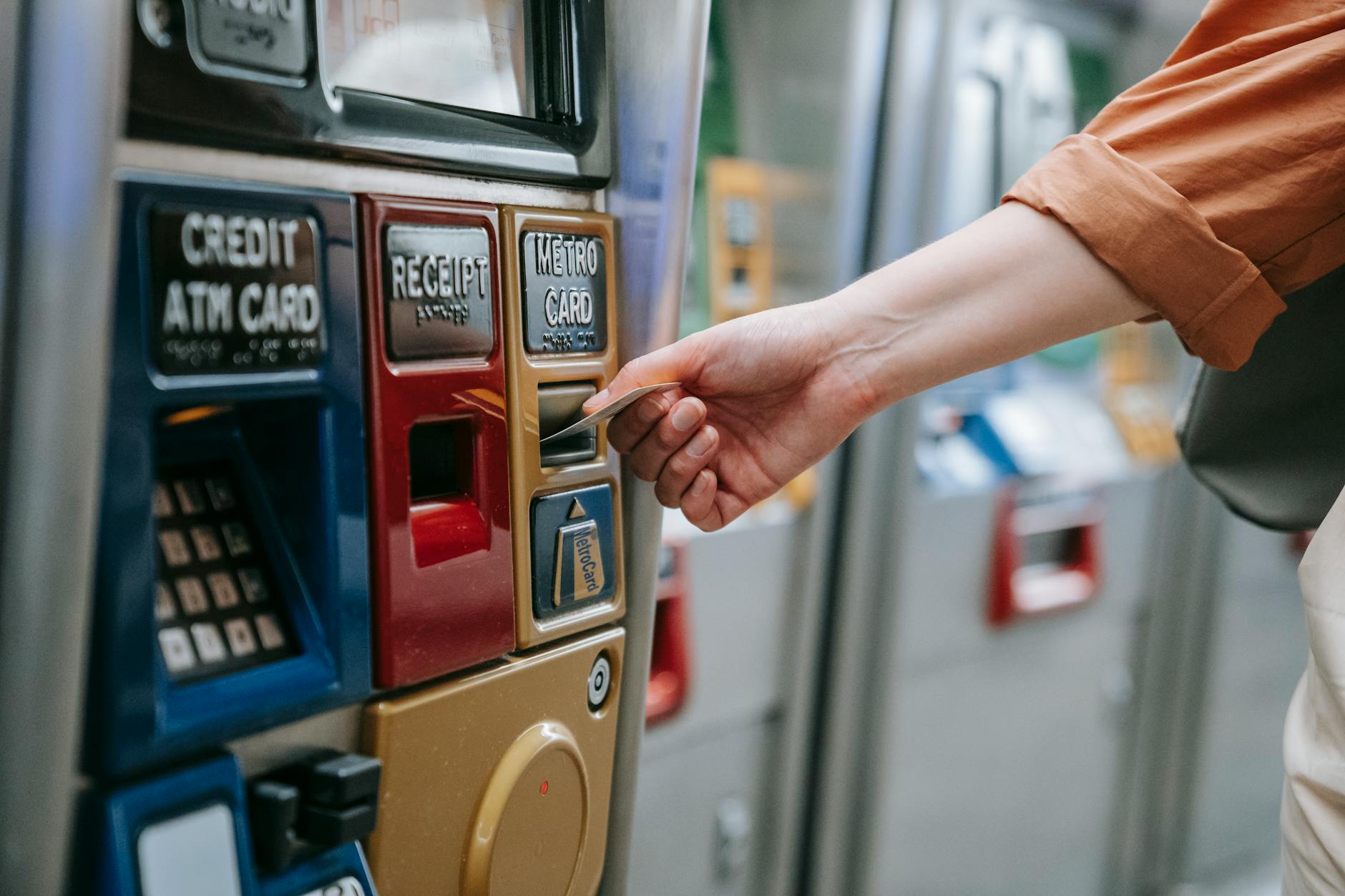
China has two transit card systems: the Jiaotong Lianhe card works nationwide across 300+ cities plus Hong Kong and Macau, while city cards only work locally. Buying, topping up, refunding, and choosing between cards and Alipay transit codes — all explained in one read.

Shared Bikes in China: Hello vs Meituan
Scan with Alipay to ride shared bikes — no extra app needed. P-point electronic geofencing rules, pricing, and parking requirements explained.

Taxis: Etiquette and Meters
Taxis must use the meter, flagfall ¥10-16, no tipping. How to hail, how to avoid being taken for a ride, and calling 12328 if you get ripped off — your survival guide to Chinese taxi etiquette and scams.

12306 Guide: Booking High-Speed Train Tickets as a Foreigner
Foreigners can book China high-speed rail tickets on 12306. The English version only requires email registration — no Chinese phone number needed. Tickets open 15 days before departure.

Domestic Flights: Booking Apps & ID Checks
Foreigners need a passport to book and check in for domestic flights. Book on Ctrip or Trip.com, check flight status on Umetrip. Full guide to China's domestic flight experience.

China Sleeper Train Guide: Hard Sleeper & Soft Sleeper
Hard sleeper (6-berth open compartment), soft sleeper (4-berth private cabin), D-series high-speed sleeper. Book on 12306, choose your berth type. Upper, middle, and lower berths have different prices. Bring a charging cable and earplugs — your complete overnight train survival guide.

Long-Distance Buses: A Survival Guide
The choice when high-speed rail doesn't go there or you want to save money. How to buy tickets, bus types, luggage tips. Buckle up and avoid unlicensed vans.
Food & Dining
Restaurants, delivery, regional cuisine

Dianping Restaurant Guide: Finding Great Food in China
Dianping is China's largest restaurant review and recommendation platform, similar to Yelp or TripAdvisor. The app supports an English interface, though user reviews remain in Chinese. This guide covers finding restaurants, the Must-Eat List, Top dishes, Offers, Queue, and Checkin features.

How to Order Food at Chinese Restaurants Without Speaking Chinese
QR code ordering, photo-translate menus, point at what you want, and shout 'fúwùyuán!' How to communicate spice levels, how rice works, what the tea fee is — your complete guide to ordering in Chinese restaurants.

Food Delivery Apps: Meituan vs Ele.me
Meituan and Ele.me are China two major food delivery platforms. How to register, how to pay, and delivery fees — all in one guide. The hotel front desk phone number is your food delivery survival code.

Taobao Flash (formerly Ele.me) Food Delivery Guide
Taobao Flash (formerly Ele.me) is one of China's two major food delivery platforms. There is no unified official English name and no standalone English interface. This guide covers how to download the app, register, order food, and compare it with Meituan.
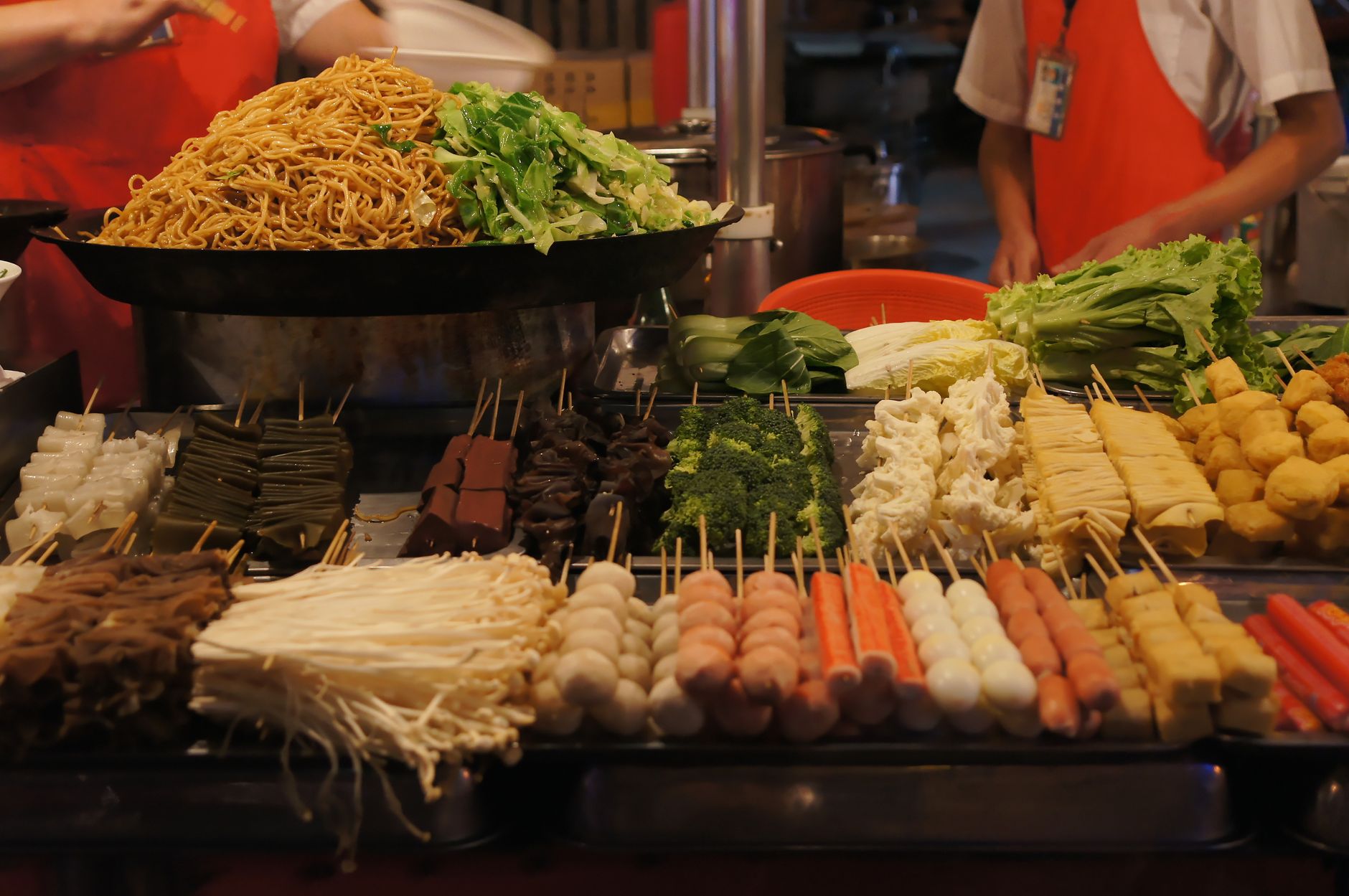
Street Food: What to Eat and Safety Tips
Jianbing guozi, grilled cold noodles, stinky tofu, tanghulu — what to eat, how to choose, and is it safe? A street food survival guide for foreigners, with hygiene tips and scam avoidance.

China's Regional Cuisines: Sichuan, Cantonese, and Shandong
An overview of the Eight Great Cuisines: Sichuan is numbing-spicy, Cantonese is light and delicate, Shandong is savory and salty. Signature dish recommendations and ordering tips for each.

Hotpot Culture: How to Order and Eat Like a Local
Yuānyāng pot (half spicy, half mild), tripe for 7 seconds, lamb rolls for 30. Sesame paste dip or garlic oil dip — complete guide to ordering, eating, dipping, and Haidilao's legendary service. Even solo diners can enjoy hotpot.

Tea Culture: How to Order Tea Like a Local
Six tea categories, gàiwǎn brewing, teahouse experience, finger-tapping etiquette, and the seven-tenths-full rule. From traditional teahouses to Heytea and Mixue — a beginner's guide to Chinese tea culture. Drink tea like a local.

30 Essential Food Phrases (with Pinyin)
30 Chinese phrases for ordering food, paying the bill, specifying spice levels, and listing dietary restrictions. Each phrase includes pinyin and English translation.

Dietary Restrictions in China: Vegetarian, Halal, Gluten-Free
Vegetarians beware of meat broth and lard. Halal — look for the qīngzhēn sign. Gluten-free — say 'no soy sauce.' How to communicate peanut and seafood allergies, prepare translation cards — your guide to eating safely in China.

Supermarket Shopping Guide
What to buy, how to check out, convenience stores vs big supermarkets. A complete foreigner's guide to shopping in China, including Alipay/WeChat Pay, imported food sections, and self-checkout machines.

Meituan Super App Guide: Food Delivery, Bikes, Hotels, Movies
Meituan is China's most versatile lifestyle app — food delivery, shared bikes, hotel booking, movie tickets, and errands in one app. Important: Meituan has no English interface. This guide helps you navigate the Chinese UI with icon recognition and WeChat translation.
Attractions & Culture
Booking, museums, etiquette

China Attraction Booking System: WeChat Mini-Programs Explained
Since 2020, most top attractions in China require advance booking — no walk-up tickets. Here's how to use WeChat mini-programs to book the Forbidden City, Terracotta Warriors, and more.

Top 18 Must-Visit Attractions That Require Advanced Booking
Forbidden City, Terracotta Warriors, Potala Palace... The 20 most worth-visiting attractions in China, all requiring advance booking. Booking windows, ticket prices, and closure days for each.

China Museum Guide: National Treasures & Monday Closure Rule
Monday closure is the golden rule — the Forbidden City, National Museum, and Shanghai Museum are no exceptions. But Shanghai Museum East is closed on Tuesdays. Booking windows, ticket prices, and closure days at a glance.

Buddhist Temple Etiquette: What to Know Before You Go
Don't step on the threshold, burn three incense sticks, no photos inside the hall. A complete guide to temple etiquette — dress code, incense rules, and fortune stick divination.

Photography Rules and Restricted Zones
Military zones, government buildings, museum photography restrictions. What you need to know before taking photos in China, including drone no-fly zones and portrait rights.

Free Attractions: Parks, Markets, and Temples
Free parks, free museums, free walking streets. Free doesn't mean no reservation needed — recommendations for each type and tips to avoid common pitfalls.
Daily Life
Health, holidays, lifestyle

Health & Hygiene Basics: Toilets and Water
What are China's public toilets like? Mostly squat toilets, and bringing your own toilet paper is the golden rule. Tap water isn't drinkable, but boiled is fine. Essential hygiene know-how to keep your stomach happy in China.

Water Safety: Can You Drink the Tap Water?
China's tap water isn't drinkable directly — boil it first, or just buy bottled. Brand recommendations, hotel free water, water purifier options, and whether restaurant ice is safe — your water questions, answered in one read.

Hospitals and Pharmacies: A Foreigner's Guide to Healthcare in China
Buy OTC meds at pharmacies without a prescription, and find English-speaking care at top hospitals' international departments. The full medical visit workflow and a common illness medication guide.

Nightlife: Bars, Clubs, and Late-Night Food
Sanlitun, Xintiandi, Jiuyanqiao — livehouses and clubs require your passport, late-night BBQ and night markets are everywhere. How to enjoy China's nightlife and avoid the pitfalls — all in this guide.

Chinese Festivals: Spring Festival, Mid-Autumn, and Golden Week
Travel tips for Spring Festival, May Day, and National Day Golden Week. Festival activity recommendations plus Golden Week survival strategies and ticket-booking tricks.

Traveling with Pets in China: A Complete Guide
A complete guide for foreigners traveling with pets (cats and dogs) in China: pet entry regulations (Customs Notice No. 5 of 2019), high-speed rail pet transport, airline cargo, subway restrictions, DiDi pet rides, pet-friendly hotels, restaurant restrictions, veterinary services, and pet boarding.
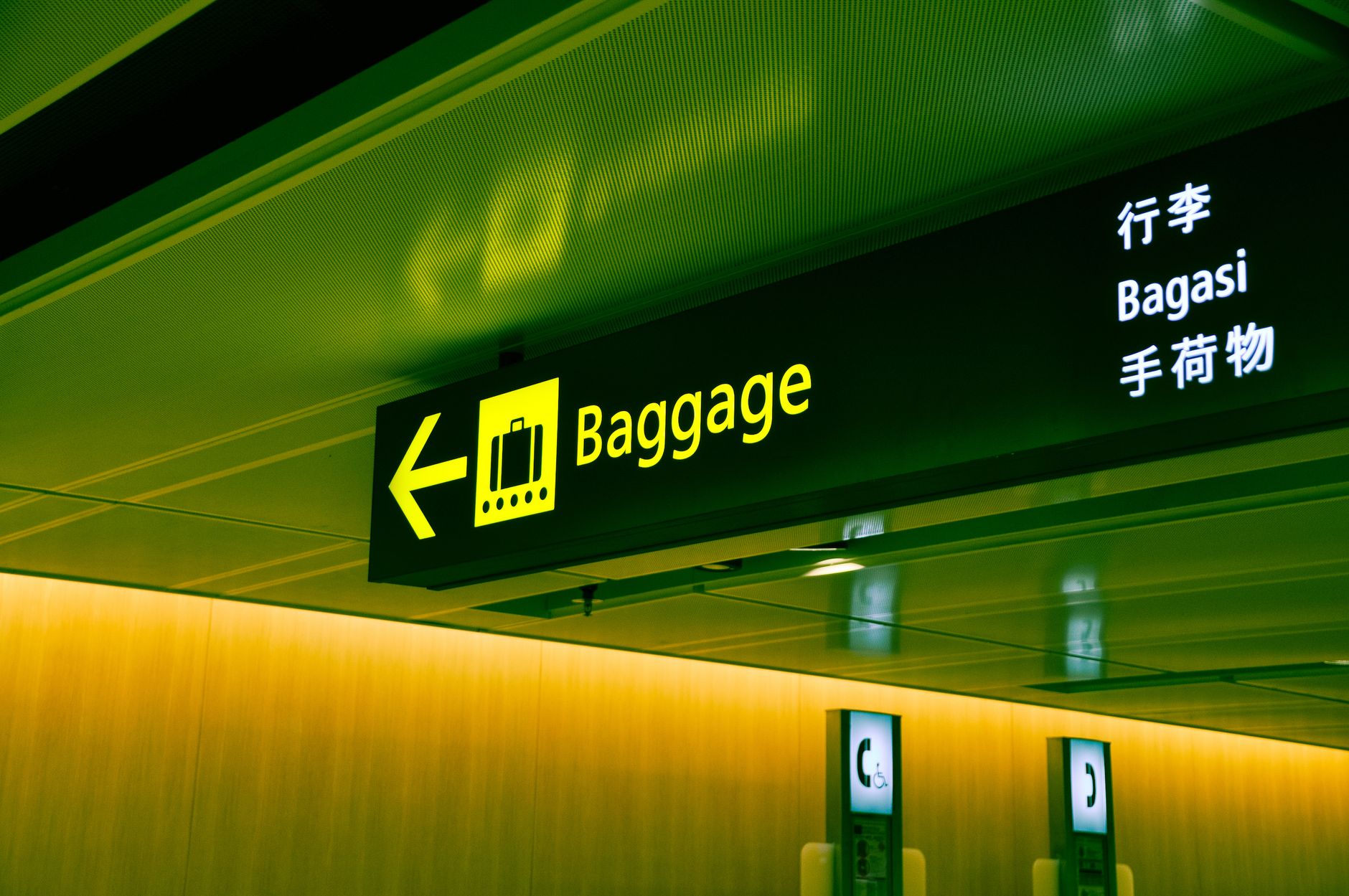
Luggage Storage at Stations and Airports
Train station self-service lockers, airport storage, free hotel storage, and storage apps. ¥10-30 per bag lets you roam freely all day. Keep valuables on you.
Emergencies
Lost passport, lost card

Emergency Numbers in China: 110, 120, 119
110 for police, 119 for fire, 120 for ambulance. Operators mainly speak Chinese, but you need to know how to call. Includes the 12367 immigration hotline and a guide to seeking medical care and buying medicine.
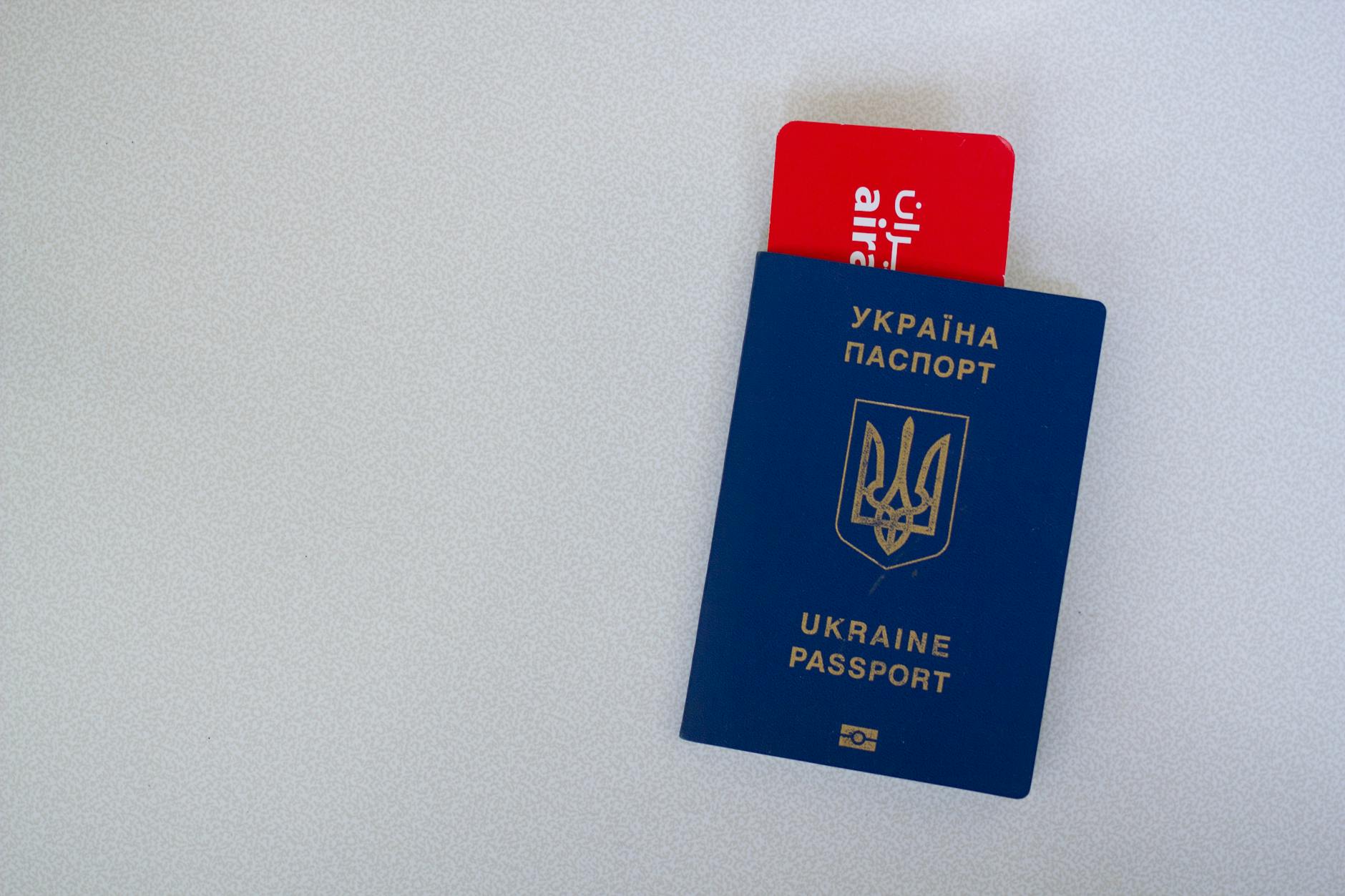
Lost Passport: Replacement Guide
Lost your passport in China? Police report, embassy contact, travel document replacement — the full process. From the local police station to the Exit-Entry Administration, every step, every document, every wait — walked through in one read.

Lost Bank Card: Emergency Freeze
Freeze your card immediately with your bank, use Alipay or cash as backup, and file a police report for insurance. Lost a card in China? Don't panic — follow the steps.
Leaving China
Departure, tax refund, souvenirs

Airport Departure Guide: Leaving China Step by Step
The departure process for foreigners leaving China involves six steps: check-in, customs declaration, security check, exit border inspection, health quarantine, and boarding. Cash limits: ¥20,000 RMB / $5,000 USD per person. Tax refund threshold: ¥200.

China Tax Refund Guide
Overseas travelers who shop over ¥200 (as of April 2025) can claim a departure tax refund. Refund rate is 11%, with about 9% actually in hand after agency fees. Refund conditions, three-step process, and what's not eligible — all in one guide.

Leftover RMB: How to Exchange, Refund, and Handle Your Remaining Chinese Currency
Leaving China with leftover RMB? Exchange it back to foreign currency at the airport (up to $1,000/day with just your passport), refund your Alipay Tour Pass or WeChat Pay balance, or visit a Bank of China branch supporting 38 currencies.

China Souvenir Shopping Guide: What You Can and Cannot Take Home
A guide to China's customs export rules: prohibited items, restricted items, antique export regulations (items from 1911 and earlier are banned), traditional Chinese medicine limits (¥300 abroad / ¥1,500 to HK/Macau), and popular souvenirs.