Quick Answer (30 Seconds)
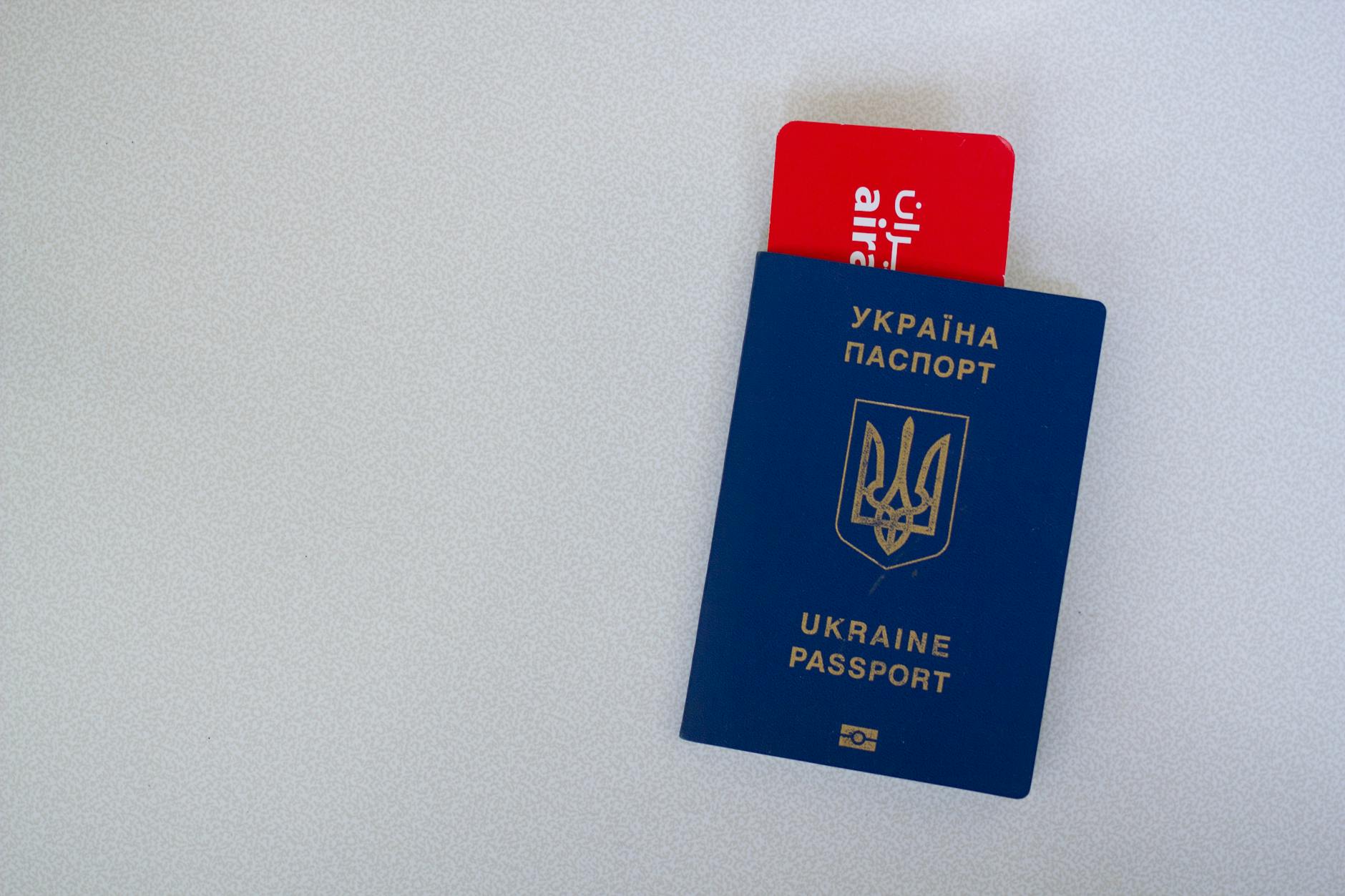
A port visa is essentially "visa on arrival" — you apply and get approved right at the Chinese entry port. But don't get too excited — not everyone can get one. Only emergency business, humanitarian reasons, or genuinely no time to apply in advance qualify, and only at designated international airports and ports. Documents: passport, photo, invitation letter or supporting evidence. Fee is about ¥168-600, stay is single-entry 30 days. Not every port offers it, and not everyone qualifies. The safest approach is always to get your visa in advance.
Bottom line: Port visa is an emergency backup, not a regular route.
Full Guide
A friend of mine had a business meeting moved up at the last minute — no time for a visa. He managed to get a port visa on arrival at Pudong Airport. But he got lucky: documents in order, legitimate reason, and Pudong happened to be processing them that day. Different person, different port — might not have worked.
What Is a Port Visa
A port visa = a visa applied for and approved on the spot at the entry port (airport, seaport, or land border crossing) by the port visa authority. Think of it as China's "visa on arrival." But unlike Thailand's "show up and get one" policy, China's port visa has strict eligibility criteria and document requirements — you can't just show up and expect to get one.
Who Qualifies for a Port Visa
Port visas are not for tourism. You need a legitimate emergency reason:
- Emergency business — An invitation letter from a Chinese business partner stating the urgency and why there was no time to apply in advance
- Humanitarian reasons — Family member critically ill or deceased in China, needing urgent entry
- Emergency repairs / disaster relief — Urgent engineering or humanitarian relief missions
- Invited tour groups — Tour groups invited by a Chinese party, with an invitation letter from the tourism bureau
- Other genuine emergencies — At the discretion of the port visa authority
Tourism does not count as an emergency reason. If you're just "running out of time to get a visa for a vacation," you'll almost certainly be rejected.
Which Ports Offer Port Visas
Not all ports have a port visa authority. Here are the major ones (subject to official announcements):
- International airports — Beijing (Capital/Daxing), Shanghai (Pudong/Hongqiao), Guangzhou (Baiyun), Shenzhen (Bao'an), Chengdu (Tianfu/Shuangliu), Chongqing (Jiangbei), Xi'an (Xianyang), Kunming (Changshui), Xiamen (Gaoqi), Dalian (Zhoushuizi), and more
- Seaports — Shanghai Port, Tianjin Port, Qingdao Port, and some other international cruise ports
- Land border crossings — Some ports (e.g., Shenzhen crossings for travelers entering from Hong Kong/Macau)
Note: Whether the port visa authority is processing that day and whether they accept applicants of your nationality is subject to on-site announcements. Call ahead to confirm before you travel.
Required Documents
- Original passport — Valid for 6+ months
- Photo — 1 copy, white background, same specs as visa photos
- Invitation letter or supporting evidence — This is the most critical document:
- Business: Invitation letter from a Chinese company (with official company seal), stating the purpose of visit, duration, and who bears the costs
- Humanitarian: Relevant proof (hospital diagnosis, death certificate, etc.)
- Tour group: Invitation letter from the tourism bureau or a travel agency
- Application form — Filled out on-site at the port visa window
- Fee — Paid in cash, about ¥168-600 (varies by visa type and urgency)
Fees and Duration of Stay
- Fee — About ¥168-600 RMB, as published by the port visa authority
- Duration of stay — Single entry, generally not exceeding 30 days
- Visa type — Usually a single-entry L visa (tourist) or M visa (business), depending on the purpose
Risks of the Port Visa
Honestly, I don't recommend treating port visas as a regular plan. Here's why:
- High uncertainty — Even if the port has a visa authority, they can refuse to process your application. You fly 10+ hours to China, get denied entry, and get sent back on the same plane — losing your ticket money and time.
- Nationality restrictions — Applicants of certain nationalities may not be accepted, per on-site regulations.
- Strict document requirements — Without a proper invitation letter, you'll be rejected on the spot.
- Long wait times — Port visa windows are understaffed, processing is slow, and you might wait 1-2 hours.
The Right Approach
If you genuinely have an emergency:
- Confirm the port first — Call the destination port's visa authority to confirm they'll process your nationality and purpose
- Prepare the invitation letter in advance — Have your Chinese partner send a scanned copy with an official seal; print it and bring it with you
- Bring cash — Port visas may only accept RMB cash
- Have your return ticket ready — Immigration may require to see a return ticket before letting you in
- Tell your airline — Without a Chinese visa, some airlines will refuse to board you. Confirm with your airline that you plan to get a port visa — some require a pre-approval document from the port visa authority before letting you on the plane
Disaster Manual
Disaster Scenario 1: Arrive at the Port and They Won't Process It
Problem: You fly to a certain airport, say "I want to apply for a port visa," and the visa window tells you "we don't handle this type of case."
What to do:
- In this situation, you'll be put on the next flight back. Chinese immigration won't let you enter without a visa.
- Always call ahead to confirm before departure! Port visas aren't guaranteed.
- If the airline let you board but you're denied entry in China, the airline is obligated to fly you back — but you lose time and the cost of a round-trip ticket.
Disaster Scenario 2: Invitation Letter Not Accepted
Problem: You brought an invitation letter, but the visa window says "this won't work."
What to do:
- The invitation letter must have the official seal (gōngzhāng) of the Chinese inviting organization — handwritten or unsealed letters are not accepted.
- Business invitation letters must include: invitee information, purpose of visit, duration of stay, who bears the costs, and the inviting organization's contact information.
- If yours isn't acceptable, have the Chinese inviting party send a sealed, scanned copy via WeChat right then, and print it out on the spot.
Disaster Scenario 3: Queue So Long You Miss Your Connection
Problem: You waited over an hour at the port visa window, and now you won't make your connecting flight.
What to do:
- Port visa processing typically takes 30-90 minutes, plus immigration inspection — budget at least 2-3 hours.
- If you have a connection and didn't leave enough time, you'll have to rebook.
- Lesson: Don't pack your port visa itinerary too tight — leave plenty of buffer.
Information verified: August 2026 · Sources: National Immigration Administration (nia.gov.cn), Article 20 of the Exit and Entry Administration Law of the People's Republic of China · Port visa eligibility and conditions may change — check on-site announcements at the port visa authority.
The following are the author's personal QR codes (not merchant codes), with a fixed amount of ¥10.00 set for testing whether your card binding was successful.


About Personal QR Codes: This website is maintained by an individual. The QR codes are for personal daily use, not merchant codes. Since personal QR codes may not be able to accept international credit card payments, the transaction may fail. However, this does not mean your card binding failed — the fact that you reached the payment page itself confirms that your binding was successful.
About the Amount: Please do not modify the preset amount. This is simply a payment test. If the payment goes through, consider it as buying me a coffee. The fixed amount is set to avoid any inconvenience caused by accidentally entering the wrong amount.
Important: The primary purpose of these codes is to help you verify whether your registration and card binding were successful, not to generate profit. If you're not comfortable, feel free to skip this step.