Quick Answer (30 Seconds)
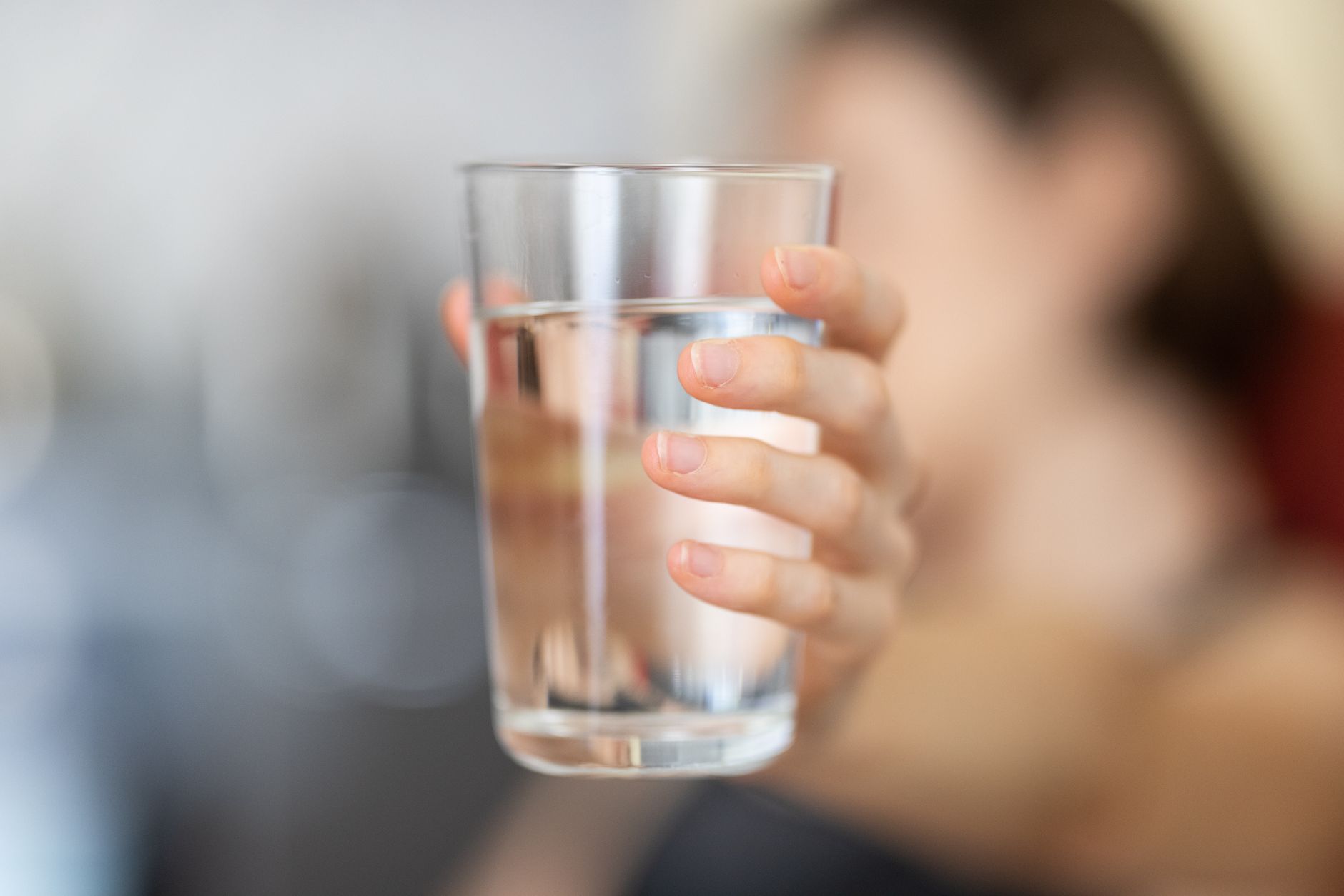
China's tap water cannot be drunk directly. Two reasons: water treatment standards differ from the West, and aging city pipes cause secondary contamination. Boiled water is safe — hotel rooms usually have an electric kettle, so boil away. But the most hassle-free option is buying bottled water: Nóngfū Shānquán, Yíbǎo, Bǎisuìshān, ¥2-5 per bottle, available at every convenience store. Ice in restaurants — proper chains use filtered water, but sensitive stomachs should say "no ice" when ordering. For long-term stays, consider a water purifier. Hotels generally provide free mineral water — ask the front desk for more if you run out.
Remember: Boil tap water before drinking, buy bottled water when out, and use the hotel kettle with confidence.
Full Guide
For the question of whether you can drink China's water, here's the simplest answer: Drinking straight from the tap — no. Boiling it first — yes. Buying bottled water — the easiest. But the details matter, so let me break it down so you're not left confused.
Why China's Tap Water Isn't Drinkable Directly
It's not that China's tap water is toxic — it comes down to a few objective reasons:
- Water quality standard differences — China's national tap water standard (GB 5749-2022) produces water that's actually drinkable at the treatment plant, but the standard differs from Western ones in certain indicators (like residual chlorine, heavy metals) in terms of enforcement strictness.
- Aging pipes — This is the biggest issue. In many Chinese cities, especially old districts, water pipes have been in use for decades. Pipe interiors corrode and breed bacteria, meaning tap water may be contaminated between the treatment plant and your faucet. Newer districts and recently built apartments have better pipes, but you can't tell which you're getting.
- Secondary water supply — High-rise buildings typically use rooftop tanks or underground pump rooms for secondary pressurization. If these tanks aren't cleaned regularly, water quality suffers.
- Official Chinese recommendation — China's CDC and local health departments advise residents to boil tap water before drinking. This isn't a warning specifically for foreigners — Chinese people do this too.
Boiled Water Is Safe
Boiling tap water (100°C) is the most economical and common treatment method:
- Electric kettle — Almost all Chinese hotels and guesthouses provide an electric kettle (diàn rè shuǐ hú, 电热水壶) in the room. Plug it in, press the switch, and it auto-shuts off when water boils. Free and safe to use.
- Cooling boiled water — China has a hot water drinking tradition, but if you're not used to hot water, let it cool after boiling and drink it at room temperature. Pour it into a clean cup and let it sit — completely fine.
- Thermos — Chinese people commonly carry a thermos (filled with hot water or tea) when going out — you can adopt this habit too. Boil water at the hotel, fill your thermos, and take it with you.
- Boiling time — Letting water boil for 30 seconds to 1 minute is safer, ensuring all microorganisms are killed. Most electric kettles auto-shut off when water boils — if you're concerned, turn it back on for another round.
Bottled Water: The Most Convenient Option
If you don't want to boil water, buying bottled water is the easiest. China's bottled water brands and prices:
- Nóngfū Shānquán (农夫山泉) — Natural drinking water, China's most popular brand, slightly sweet taste. ¥2-3/bottle (550ml), large bottle (1.5L) ¥4-6.
- Yíbǎo (怡宝) — Purified water, most common and cheapest, found in every convenience store and supermarket. ¥2/bottle (555ml).
- Bǎisuìshān (百岁山) — Natural mineral water, slightly better taste, ¥3-5/bottle. Sometimes served at conferences and hotels.
- Evian / Perrier — International brands available at large supermarkets and high-end convenience stores (7-Eleven, FamilyMart), but significantly more expensive than abroad (¥10-20/bottle).
- Genki Forest sparkling water — Domestic sparkling water brand, worth trying if you like fizz.
Where to buy:
- Convenience stores — FamilyMart, 7-Eleven, Lawson, Bianlifeng — everywhere on streets, open 24 hours.
- Supermarkets — Large supermarkets (Yonghui, Vanguard, RT-Mart) — buying by the case is cheaper (24 bottles about ¥30-40).
- Online — Meituan/Ele.me delivery apps can have water delivered to your hotel/residence in about 30 minutes — great for buying in bulk.
- Vending machines — Common in subway stations, scenic spots, and office building lobbies. Scan to pay, about ¥1-2 more expensive than convenience stores.
Hotel Free Water
- Almost all Chinese hotels (from budget to five-star) provide 2 bottles of free mineral water daily, usually placed on the room desk or in the mini-fridge.
- When you run out, ask the front desk for more — usually free (some high-end hotels may charge, just ask).
- If the hotel only provides large bottled distilled water (the glass bottle kind), that's drinkable too — no need to boil.
- Guesthouses/Airbnbs may not provide free water — ask the host when you check in.
Water Dispensers
Many public places in China have free water dispensers:
- Airports — Departure gates usually have dispensers providing hot and room-temperature water. Bring an empty bottle through security and fill up.
- High-speed rail stations — Waiting halls have dispensers with hot and warm water.
- Malls — Some large malls have dispensers on each floor.
- Office buildings — Offices generally have water dispensers (bottled water), free for employees.
- Dispenser water is typically filtered bottled or direct-drinking water — safe to drink.
Water Purifiers (Long-Term Stay)
If you're living in China long-term (3+ months), buying a water purifier is more economical than buying bottled water every day:
- Xiaomi water purifier — ¥500-2,000, faucet-mounted, 4-stage filtration, great value.
- Midea / Haier water purifier — ¥800-3,000, major domestic brands, convenient after-sales service.
- 3M / BRITA filter jugs — ¥200-400, jug-style filtration, no installation needed, great for renters.
- Filtered water can be drunk directly (if the filter is reverse osmosis RO grade), or filtered then boiled for extra safety.
- Remember to replace filters regularly (generally every 3-6 months) — a purifier with an old filter is worse than not having one.
Is Ice Safe?
- Legitimate chain restaurants — Starbucks, McDonald's, Pizza Hut, Haidilao, and other large chains use filtered water or commercial purified water for their ice machines — relatively safe.
- Small restaurants and street stalls — Ice source is uncertain, possibly frozen from tap water. If you have a sensitive stomach, say "bù yào bīng" (不要冰 — "no ice") when ordering.
- Hotel cocktails — High-end hotel cocktails generally use filtered water for ice — safe.
- Chinese people don't drink much ice water (hot water culture), so most beverages are served at room temperature or hot by default — ask specifically if you want ice.
Brushing Teeth and Washing with Tap Water
- Brushing teeth — Using tap water to brush your teeth is completely fine (you won't swallow it). Most people in China brush with tap water without any issues.
- Washing your face — Tap water for washing your face and showering is completely safe — no need for bottled water.
- Washing fruit — After rinsing fruit with tap water, rinse again with bottled water, or peel before eating.
- Cooking — Using tap water for cooking rice or boiling noodles is fine — high heat kills bacteria.
Disaster Manual
Disaster Scenario 1: Drank Tap Water, Feeling Unwell
Problem: You didn't know the water wasn't drinkable, and filled a glass from the hotel tap and drank it.
What to do:
- Small amounts generally won't cause serious problems — most people's immune systems can handle a small quantity of bacteria.
- Monitor symptoms: if it's just mild stomach gurgling, drink plenty of bottled water — usually self-resolves within half a day.
- If diarrhea or vomiting occurs: take anti-diarrheal medicine (Smecta, ¥10-20 at pharmacies), and replenish fluids and electrolytes.
- Severe diarrhea or fever: go to the hospital (emergency number 120). Most top-tier Chinese hospitals have an international department with English-speaking staff.
- Lesson: All drinking water — bottled or boiled, pick one. Tap water is only for brushing teeth and washing hands.
Disaster Scenario 2: Can't Find Bottled Water (Late Night / Remote Area)
Problem: You're thirsty in the middle of the night or in a remote area, convenience stores are closed, and you can't find a supermarket.
What to do:
- Delivery apps — Meituan/Ele.me have many 24-hour pharmacies and convenience stores. Place an order, water delivered to your hotel in 30 minutes.
- Hotel front desk — Most hotel front desks are staffed 24/7 — you can buy water or ask for free water.
- Vending machines — Subway stations, hotel lobbies, and scenic spot entrances usually have them. Scan to pay with WeChat/Alipay.
- Electric kettle — Boil tap water and let it cool — safe and free.
- Lesson: Buy a few bottles when you see a convenience store during the day and keep them in your hotel fridge. Don't wait until you're thirsty to go looking.
Disaster Scenario 3: Hotel Kettle Isn't Clean
Problem: You check into your hotel and find the electric kettle has scale buildup or doesn't look clean.
What to do:
- Boil a kettle of water and pour it out (to rinse the interior), then boil a second kettle to drink.
- If scale is severe: use the tea bag provided by the hotel (tannins in tea help remove scale) — put a tea bag in, boil water, pour it out, then boil fresh water.
- If you really don't trust the hotel kettle: buy bottled water, or bring a collapsible silicone travel kettle (¥30-50 on Taobao).
- Most mid-range and above Chinese hotels have acceptably clean kettles. Budget hotels vary — check reviews on Dianping/Trip.com before booking for hygiene complaints.
Information verified: August 2026 · Sources: China National Standard "Sanitary Standard for Drinking Water" (GB 5749-2022), Chinese Center for Disease Control and Prevention drinking water safety guidelines, World Health Organization drinking water quality guidelines · Bottled water brands and prices may vary by market.
The following are the author's personal QR codes (not merchant codes), with a fixed amount of ¥10.00 set for testing whether your card binding was successful.
About Personal QR Codes: This website is maintained by an individual. The QR codes are for personal daily use, not merchant codes. Since personal QR codes may not be able to accept international credit card payments, the transaction may fail. However, this does not mean your card binding failed — the fact that you reached the payment page itself confirms that your binding was successful.
About the Amount: Please do not modify the preset amount. This is simply a payment test. If the payment goes through, consider it as buying me a coffee. The fixed amount is set to avoid any inconvenience caused by accidentally entering the wrong amount.
Important: The primary purpose of these codes is to help you verify whether your registration and card binding were successful, not to generate profit. If you're not comfortable, feel free to skip this step.