Quick Answer (30 Seconds)
Getting medicine in China has two paths: minor ailments, go to a pharmacy (they're everywhere, OTC meds don't need a prescription — just tell the staff your symptoms); anything more serious, go to a hospital (bring your passport, register at a self-service machine or window). Pharmacies have a green cross sign; common cold medicine, fever reducers, and stomach meds are all available. Hospital visit flow: Register → Wait → See doctor → Pay → Pick up medicine. Top-tier (Grade 3A) hospitals have international departments with English service — more expensive but communication isn't an issue. Emergency rooms are open 24 hours. Buy travel insurance before your trip that covers medical expenses in China.
Remember: Minor illness, pharmacy. Serious illness, hospital. Passport always on you.
Full Guide
I've been sick in China, taken medicine, and been hospitalized (food poisoning — don't ask what I ate). China's healthcare system is more convenient than you'd expect, but some procedures differ from abroad. Understanding them in advance saves a lot of hassle.
Pharmacies: Buying OTC Medicine
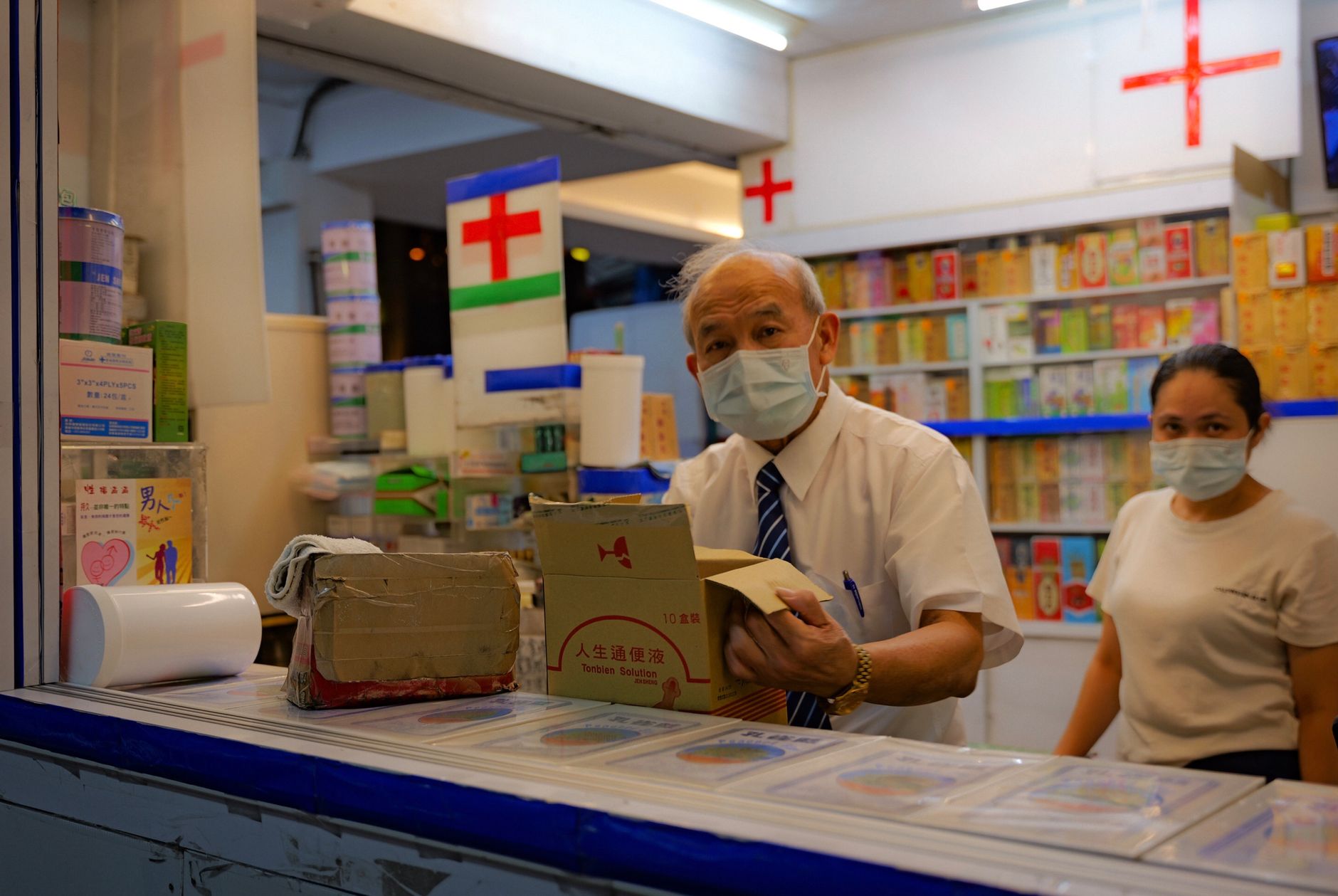
Pharmacies are everywhere in China. Look for the green cross sign (similar to the international pharmacy cross):
- OTC medicine — No prescription needed; just walk in and tell the staff your symptoms. Cold medicine, fever reducers, stomach meds, band-aids, motion sickness pills — all available
- Common medicines — Gānmàolíng granules (cold), ibuprofen (fever/pain), smectite powder (diarrhea), loratadine (allergies), Huòxiāng Zhèngqì Shuǐ (heatstroke or stomach upset)
- Staff recommendations — Tell the staff your symptoms and they'll recommend medicine. Many can understand basic English symptom descriptions
- Prescription medicine — Requires a doctor's prescription; pharmacies won't sell it to you without one. You must see a doctor at a hospital first
- Prices — Common OTC medicines are cheap, ¥10-30 per box
- 24-hour pharmacies — Big cities have some 24-hour pharmacies, but not every location. Search "yàodiàn" (pharmacy) on Amap to check hours
Hospitals: Foreigner's Medical Visit Flow
Chinese hospitals are classified by grade: Grade 3A (sānjiǎ, highest), Grade 3B, Grade 2A, etc. For foreigners, I recommend Grade 3A hospitals — better facilities and equipment.
Five steps to seeing a doctor:
- Register (guà hào) — Find the registration window or self-service machine. Bring your passport, say "guà hào" (register), and choose a department. Common departments: Internal Medicine (cold/fever/diarrhea), Surgery (injuries), Dermatology (allergies/rashes), ENT (ear/nose/throat)
- Wait — After registering, you get a registration slip with the department and queue number. Go to the waiting area for that department and wait for your number on the big screen
- See the doctor — When called, enter the consultation room. If there's a language barrier, use a translation app or gesture. Writing your symptoms in Chinese for the doctor to read is most effective
- Pay — After the doctor prescribes medicine or orders tests, go to the payment window or self-service machine to pay first, then you can pick up medicine or get tests done
- Pick up medicine — After paying, take your prescription to the pharmacy window and wait for your number on the screen. The pharmacist will explain how to take the medicine
Grade 3A Hospital International Departments
- What they are — International medical departments set up within large Grade 3A hospitals, with English-speaking doctors and nurses, and a better environment
- Advantages — English communication, appointment-based (no long queues), better service
- Cost — 2-5 times more expensive than regular outpatient visits, but insurance may cover it
- Which hospitals have them — Peking Union Medical College Hospital (PUMCH) International Department, Ruijin Hospital International Department (Shanghai), First Affiliated Hospital of Sun Yat-sen University International Medical Center (Guangzhou), etc.
- Best for — Foreigners with language barriers who need English service and can afford it or have insurance
Emergency Room
- 24 hours — All Grade 3A hospital ERs are open 24/7
- When to go — High fever that won't break, severe injuries, acute abdominal pain, food poisoning, and other emergencies
- Process — Go directly to the ER to register (no appointment needed); after triage, you're seen in order of severity
- Cost — ER registration fees are slightly higher than regular outpatient (¥30-100), plus examination and treatment costs
- Bring your passport — ER also requires ID registration
Common Illness Medication Guide
- Cold — Buy Gānmàolíng granules (¥10-15) or Tylenol (¥15-20) at a pharmacy, drink lots of water, rest
- Diarrhea — Smectite powder (¥15-20), stay hydrated, avoid ice water. If severe, go to a hospital
- Allergies — Loratadine tablets (¥20-30); pollen season and seafood allergies are common
- Heatstroke — Huòxiāng Zhèngqì Shuǐ (¥10); a summer outdoor activity essential
- Motion sickness — Motion sickness pills (¥5-10); essential for long bus rides and mountain roads
- Food poisoning — Take smectite powder first to stop diarrhea; if severe vomiting or fever, go to the ER immediately
- Note — Medicine instructions are in Chinese; if you can't read them, take a photo and use a translation app, or ask the pharmacy staff to explain the dosage
Insurance
- Travel insurance — Buy it in your home country before departure; make sure it covers medical expenses in China
- Claims process — Keep all documents when seeing a doctor (registration slip, invoices, prescriptions, test reports) and file a claim with your insurance company after returning home
- Direct billing — Some international insurance providers have direct billing agreements with Grade 3A hospital international departments (the insurer pays the hospital directly), so you don't need to front the money
- Recommendation — When buying insurance, confirm the medical coverage is sufficient (recommend at least $50,000 USD), including emergency and inpatient care
Practical Tips for Seeing a Doctor
- Bring your passport — Any hospital visit requires ID; your passport is the only valid ID for foreigners. Without it, the hospital won't register you
- Cash or Alipay — Hospital payments support Alipay, WeChat Pay, cash, and bank cards, but some self-service machines only accept specific payment methods
- Translation — Have a translation app ready (like Baidu Translate), and pre-translate your symptoms into Chinese. For example: "Wǒ fā shāo le" (I have a fever), "Wǒ lā dù zi" (I have diarrhea), "Wǒ guò mǐn le" (I'm having an allergic reaction). Writing these on a note to show the doctor is most effective
- Hospital apps — Large hospitals have their own apps or WeChat Mini Programs for appointment booking and report checking, but they're usually Chinese-only. If you can't use them, ask your hotel front desk to help book
- Avoid Mondays — Monday morning is when hospitals are most crowded; try to go on a weekday afternoon. Tuesday through Friday after 2 PM is least busy
- Hotel clinics — High-end hotels have a clinic or partnered medical facility that can provide basic care and English service — more expensive than hospitals but convenient
- 120 emergency number — In an emergency, dial 120 for an ambulance. Operators speak Chinese; ask your hotel front desk to help communicate
Troubleshooting
Scenario 1: Pharmacy Doesn't Have Your Usual Medicine
Problem: You want to buy a medication you regularly use at home, but the Chinese pharmacy doesn't carry it.
What to do:
- China's medication types and brands differ from abroad; the same brand may not be available
- Tell the staff your symptoms (not the brand name) and let them recommend a Chinese equivalent
- Use a translation app to translate the active ingredient into Chinese and show the staff
- If you truly can't find an equivalent: go to a Grade 3A hospital, where a doctor can prescribe an equivalent medication
- Lesson: Bring enough of your regular medications before traveling (especially prescription meds) — don't count on finding the exact same thing in China
Scenario 2: Endless Hospital Queue
Problem: You've been waiting two hours in a Grade 3A hospital outpatient department and still haven't been called.
What to do:
- Long waits at Grade 3A outpatient departments are normal, especially Monday mornings
- If you can't wait: go to the international department (higher registration fee but almost no wait) or a community hospital (fewer people but lower-tier facilities)
- Appointment booking reduces wait time: search the hospital name in WeChat Mini Programs to book ahead
- For non-urgent issues, go on a weekday afternoon — much fewer people than mornings
- For true emergencies, go to the ER — no queue, direct triage
Scenario 3: Lost Your Medical Receipts
Problem: You return home after treatment and want to file an insurance claim, but discover you've lost the invoices and prescriptions.
What to do:
- Make it a habit: keep every piece of paper — registration slip, payment invoices, doctor's prescription, test reports, medication list
- If lost: contact the hospital to reissue invoices (call or visit the finance department), but it's a hassle
- International department visits usually provide bilingual (Chinese-English) itemized bills — submit those directly to your insurer
- Lesson: Before leaving the hospital, check that you have: invoices, prescriptions, and a diagnosis certificate
Verified: August 2026 · Sources: National Health Commission public information, Grade 3A hospital official websites · Hospital procedures and fees may vary by region and facility.
The following are the author's personal QR codes (not merchant codes), with a fixed amount of ¥10.00 set for testing whether your card binding was successful.

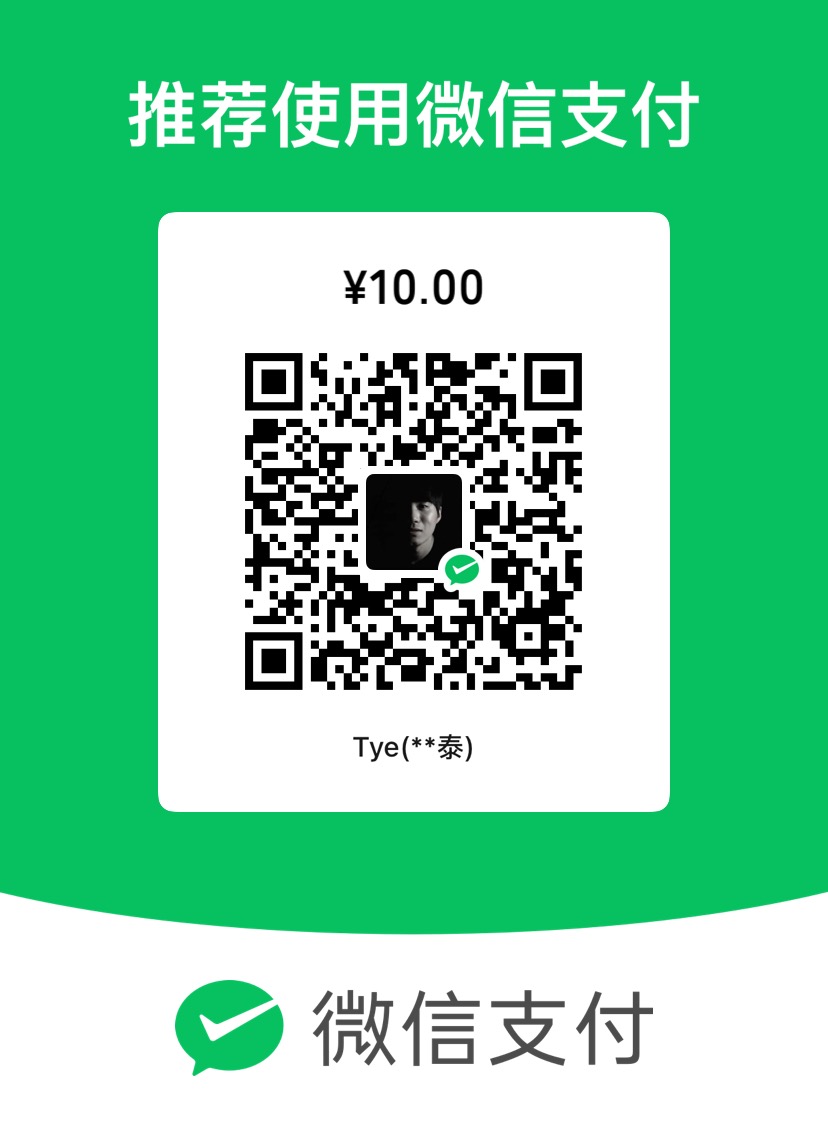
About Personal QR Codes: This website is maintained by an individual. The QR codes are for personal daily use, not merchant codes. Since personal QR codes may not be able to accept international credit card payments, the transaction may fail. However, this does not mean your card binding failed — the fact that you reached the payment page itself confirms that your binding was successful.
About the Amount: Please do not modify the preset amount. This is simply a payment test. If the payment goes through, consider it as buying me a coffee. The fixed amount is set to avoid any inconvenience caused by accidentally entering the wrong amount.
Important: The primary purpose of these codes is to help you verify whether your registration and card binding were successful, not to generate profit. If you're not comfortable, feel free to skip this step.