Quick Answer (30 Seconds)
China has two types of supermarkets: large supermarkets (Walmart, Carrefour, CR Vanguard, RT-Mart) with everything at low prices, good for bulk shopping; and convenience stores (7-Eleven, FamilyMart, Lawson, Bianlifeng) open 24 hours, good for emergencies. Checkout is via Alipay or WeChat scan — most supermarkets don't accept foreign cards. The imported food section is in a corner of big supermarkets — pricier but has your familiar home flavors. Many large supermarkets now have self-checkout machines — scan barcodes, scan your payment code, done. No conversation with a cashier required. Bottled water ¥2-3, instant noodles ¥3-5, a loaf of bread ¥8-15. Convenience stores are 30-50% more expensive than big supermarkets, but great for late-night emergencies.
Bottom line: Big supermarkets for shopping, convenience stores for emergencies, and Alipay QR codes work everywhere.
Full Guide
My first week living in China, the supermarket was my safe zone. Can't read menus? Go to the supermarket. Don't want to talk to anyone? Go to the supermarket. Miss your hometown snacks? Go to the imported section. Chinese supermarkets are one of the most foreigner-friendly places you'll find.
Large Supermarkets: Everything at Low Prices
- Walmart (沃尔玛 wò ěr mǎ) — American brand, well-localized for China. Daily necessities, food, fresh produce — all at affordable prices. Some locations have imported food sections
- Carrefour (家乐福 jiā lè fú) — French brand, relatively rich food selection among Chinese supermarkets, with a larger imported food section
- CR Vanguard (华润万家 huá rùn wàn jiā) — Domestic supermarket giant, stores nationwide, good value house brands
- RT-Mart (大润发 dà rùn fā) — Taiwanese-backed, extensive fresh and food variety, frequent promotions
- Sam's Club (山姆会员店 shān mǔ) — Walmart-owned membership warehouse, bulk packages, lots of imports. Annual fee around ¥260, good for long-term stays and family shopping
- Hema / Freshippo (盒马鲜生 hé mǎ) — Alibaba-owned, focused on fresh produce and live seafood you can have cooked on-site. Supports Alipay. Popular with young people — great experience, mid-range prices
Large supermarkets generally open 8:00-22:00, busiest on weekends. Go on weekday mornings or after 8 PM for fewer crowds and shorter queues.
Convenience Stores: 24-Hour Lifesavers
- 7-Eleven — Global chain, wide coverage in Tier 1 and 2 cities. Rice balls, bento, oden are the specialties
- FamilyMart (全家 quán jiā) — Japanese-owned, decent coffee, desserts, and bento. Membership card for points
- Lawson (罗森 luó sēn) — Japanese-owned, known for good desserts and bread
- Bianlifeng (便利蜂 biàn lì fēng) — Domestic brand, 24 hours, slightly cheaper than Japanese chains, decent coffee
- Convenience store prices are 30-50% higher than big supermarkets, but convenience wins: subway stations, residential gates, 2 AM — they're there
- A rice ball ¥6-10, a coffee ¥8-15, a pack of tissues ¥3-5
What to Buy: Foreigner's Shopping List
- Water — Nongfu Spring (农夫山泉 nóng fū shān quán), Yibao (怡宝 yí bǎo), Baisuishan (百岁山 bǎi suì shān), ¥2-3/bottle. Don't buy "mineralized water" (矿物质水) — that's just filtered tap water with added minerals. Buy "natural mineral water" (天然矿泉水) or "natural water" (天然水)
- Snacks — China has an incredible variety. Try: Weilong spicy strips (卫龙辣条 wèi lóng là tiáo), Wangwang rice crackers (旺旺雪饼 wàng wàng xuě bǐng), Oreo China edition (matcha flavor, durian flavor), various potato chips
- Fruit — Cheap and fresh. Bananas ¥3-5/jin (500g), apples ¥4-8/jin, watermelon ¥1-3/jin in summer. Imported fruit (cherries, avocado) is pricier but cheaper than in the West
- Instant noodles — China has the world's best and most varied instant noodles. Kangshifu (康师傅 kāng shī fù), Uni-President (统一 tǒng yī), Baixiang (白象 bái xiàng), ¥3-8/cup. Try luosifen (螺蛳粉 luó sī fěn) flavor or hot and sour noodle flavor
- Daily necessities — Tissues, laundry detergent, shampoo, toothpaste — big supermarkets are half the price of convenience stores. Vinda (维达 wéi dá) tissues, Bluemoon (蓝月亮 lán yuè liàng) detergent are common brands
- Yogurt and milk — China has a huge yogurt variety. Bright (光明 guāng míng), Yili (伊利 yī lì), Mengniu (蒙牛 měng niú) are the big three brands. Yogurt tends to be sweet — buy "sugar-free" (无糖 wú táng) or "original" (原味 yuán wèi) for a healthier option
Imported Food Section: Your Hometown Lifeline
- The imported food section in large supermarkets is usually in a corner or a separate aisle. Carrefour and Sam's Club have the largest import sections
- What you can find: pasta, cheese, coffee beans, chocolate, cereal, jam, canned goods
- Prices are 50-100% higher than abroad (tariffs + shipping), but faster than ordering on Taobao
- If the supermarket doesn't have it, search Taobao/JD for imported food — 100x the selection, fast delivery (1-2 days)
Checkout: Alipay and WeChat Are King
- Alipay/WeChat scan — 99% of supermarkets and convenience stores support this. Open Alipay or WeChat, show your payment code, cashier scans it — done
- Foreign cards — Most Chinese supermarkets don't accept Visa/Mastercard. Individual Walmart locations might, but don't count on it
- Cash — Accepted, but making change may be inconvenient. Carry small bills as a backup
- Membership cards — Many supermarkets have free membership cards — register for points and discounts. Requires a Chinese phone number
Self-Checkout Machines: Introvert's Dream
- Large supermarkets and convenience stores commonly have self-checkout machines. Process: scan product barcodes → confirm item list → select payment (Alipay/WeChat) → scan payment code → done
- Some machines require you to tap "finished scanning" on screen before entering the payment step
- Benefits: no conversation with the cashier, faster too. For shopping in China, this is a revolution — no long queues, no gesturing with the cashier
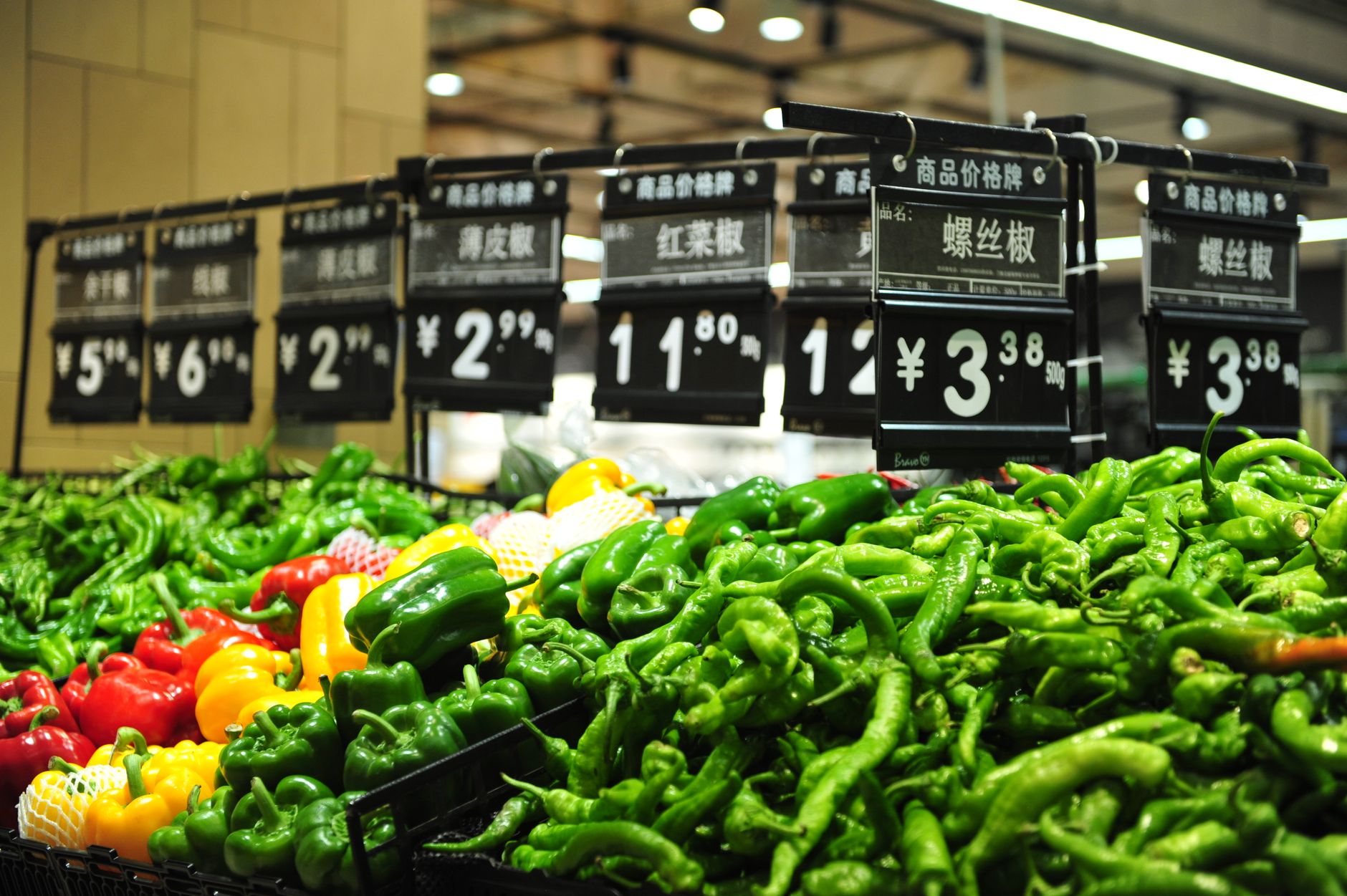
- Note: Fresh produce needs to be weighed at the nearby scale station first, with a price sticker applied, before scanning at self-checkout
- If the machine malfunctions (barcode won't scan, system freezes), wave to a nearby staff member — they're generally happy to help
- Convenience store self-checkout is even simpler: for hot food like bento and oden, the clerk heats it for you, then you scan the barcode and pay
Online Grocery: Delivery Apps
- Meituan Grocery (美团买菜 měi tuán), Dingdong Maicai, Hema — Order on your phone: vegetables, fruit, meat, seafood, daily necessities — delivered to your hotel or residence within 30-60 minutes. Especially convenient for foreign travelers — arrive at hotel and realize you forgot toothpaste? Open the app, order, wait
- Requires a Chinese phone number to register, supports Alipay/WeChat payment
- Prices are comparable to big supermarkets, some items cheaper — savings from no physical store rent
- Good for when you don't want to go out, or there's no big supermarket nearby
Unique Chinese Supermarket Experiences
- Free samples — On weekends, large supermarkets often have promoters offering free samples — from yogurt to dumplings to fruit. You can eat your fill walking one lap. Chinese people call this "蹭吃" (cèng chī — freeloading samples). A bit embarrassing but completely legal
- On-site cooking — Hema and some large supermarkets have live seafood sections: pick your seafood, hand it to the chef for on-site cooking (steamed, salt-and-pepper, garlic), and eat within minutes. Much cheaper than a restaurant
- Seasonal products — Around Mid-Autumn Festival, supermarkets are full of mooncakes. Before Spring Festival, it's all gift boxes. Before Dragon Boat Festival, it's zongzi (sticky rice dumplings). These holiday foods are only available at specific times — miss it and wait until next year
- Bulk section — Large supermarkets have bulk bins for grains, dried fruits, and candy — grab a bag, fill it, weigh it, stick on a price label. Bulk is 20-30% cheaper than packaged, and you can buy just a little to try
Price Reference
- Bottled water ¥2-3
- Instant noodles ¥3-8
- Bread/loaf ¥8-15
- Bananas ¥3-5/jin
- Yogurt ¥3-8/cup
- Tissues (10 packs) ¥15-25
- Imported chocolate ¥20-50
- Convenience store rice ball ¥6-10
- Convenience store bento ¥12-25
Disaster Manual
Disaster Scenario 1: No Alipay/WeChat at Checkout
Problem: You queued for 15 minutes, reach the cashier, and realize they only take Alipay/WeChat — you only have cash.
What to do:
- Large supermarkets and convenience stores generally do accept cash — the cashier just needs to make change
- If the self-checkout machine doesn't take cash, go to the staffed checkout lane
- If all else fails, ask a nearby customer for help: you give them cash, they pay with Alipay for you. Chinese people are generally very helpful and won't refuse
- Lesson: Make sure you have money in Alipay or WeChat before going out
Disaster Scenario 2: Bought Something and Don't Know What It Is
Problem: You grabbed a snack at random, packaging is all Chinese, and you take a bite — it's incredibly spicy.
What to do:
- Chinese snack packaging doesn't label "spice level," but anything with a chili icon or the character 辣 (spicy) is probably hot
- Check the ingredients list: if you see 辣椒 (chili), 花椒 (Sichuan pepper), or 麻辣 (numbing-spicy), it's spicy
- If you're unsure, don't buy it, or search the product name on Taobao first to check reviews
- Don't waste the wrong snack — give it to a Chinese friend, they might love it
Disaster Scenario 3: Can't Find What You Want in the Imported Section
Problem: You wandered around Carrefour's import section and found only a few packs of nearly-expired crackers and overpriced chocolate.
What to do:
- Not all supermarket import sections are good. Carrefour and Sam's Club have the best selections
- Search Taobao/JD for imported food — 100x the selection of physical stores, cheaper too
- Tier 1 cities (Beijing/Shanghai/Guangzhou) have dedicated import supermarkets: Ole', City Super, Jenny Lou's
- Really homesick? Use Taobao to cross-border shop or ship a package from abroad (mind customs clearance)
Information verified: August 2026 · Sources: Various supermarket brand official information, Alipay/WeChat Pay official documentation · Prices vary by city and store.
The following are the author's personal QR codes (not merchant codes), with a fixed amount of ¥10.00 set for testing whether your card binding was successful.

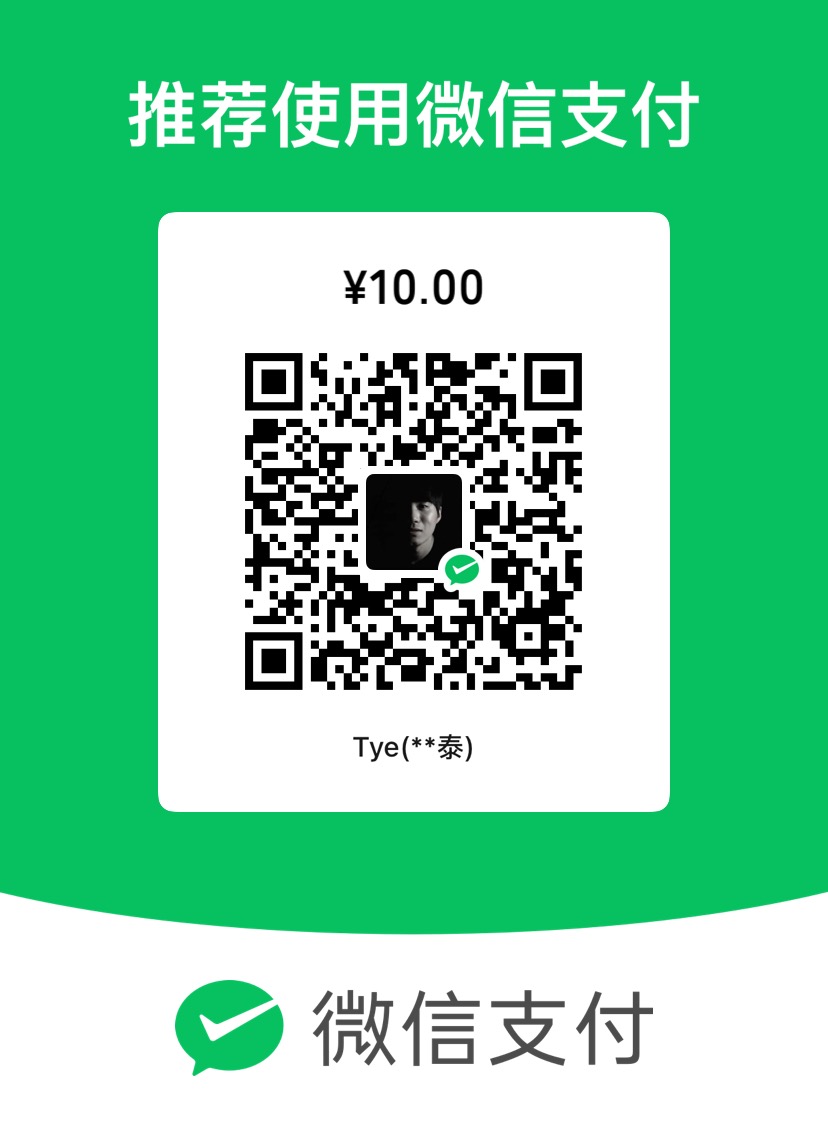
About Personal QR Codes: This website is maintained by an individual. The QR codes are for personal daily use, not merchant codes. Since personal QR codes may not be able to accept international credit card payments, the transaction may fail. However, this does not mean your card binding failed — the fact that you reached the payment page itself confirms that your binding was successful.
About the Amount: Please do not modify the preset amount. This is simply a payment test. If the payment goes through, consider it as buying me a coffee. The fixed amount is set to avoid any inconvenience caused by accidentally entering the wrong amount.
Important: The primary purpose of these codes is to help you verify whether your registration and card binding were successful, not to generate profit. If you're not comfortable, feel free to skip this step.