Quick Answer (30 Seconds)
A few iron rules for visiting Chinese temples: Don't step on the threshold (step over it, don't walk on it); No photos inside the hall (no photography in front of Buddha statues — outside is fine); Three incense sticks (don't buy a giant bundle, three is enough); Cover shoulders and knees (tank tops and shorts won't work); Walk clockwise around stupas. Some temples charge admission, some are free — but free doesn't mean no reservation. Never touch a monk's head, and don't point your finger at Buddha statues. Be quiet and respectful. If you want to draw a fortune stick (qiú qiān), look for the designated divination area — don't just kneel and pray randomly.
Remember: A temple is a place of worship, not just a tourist attraction. Respect matters more than photos.
Full Guide
I've been in China for five years and visited at least forty or fifty temples — from Yonghe Temple (Lama Temple) in Beijing to Jokhang Temple in Lhasa, from Lingyin Temple in Hangzhou to Wenshu Monastery in Chengdu. Every single time, I see foreign tourists who don't know the rules and end up in awkward situations. This guide covers temple etiquette comprehensively.
Don't Step on the Threshold
This is the most easily overlooked rule. Chinese temple thresholds are high (some reach knee level), and the threshold is considered the shoulder of Buddha.
- Correct — Step over it; which foot you lead with doesn't matter, but your foot must not step on the threshold
- Incorrect — Walking across while stepping on the threshold, or sitting on it to rest
- Monks and worshippers will frown when they see someone step on the threshold, but generally won't say anything — just be mindful yourself. In five years, every time I enter a temple I see tourists stepping on thresholds; the people around them make subtle faces but rarely speak up
Walk Clockwise Around Stupas
- When circling stupas or main halls, always walk clockwise
- Tibetan Buddhist temples are especially strict about this — walking counterclockwise is a serious taboo
- You can silently recite scriptures or just walk quietly; the key is getting the direction right
Incense Rules
- Three sticks are enough — They represent the Three Jewels: Buddha, Dharma, and Sangha. Don't buy those massive bundles; temples discourage excessive incense burning
- Light first, then pray — After lighting, gently shake out the flame (don't blow it out with your mouth), hold the incense at forehead height with both hands, and bow three times toward the main hall
- Don't burn incense inside the hall — Use the outdoor incense burner; indoor burning is generally prohibited
- Many temples no longer provide free incense — Buy three sticks at the entrance, ¥5-10 is enough
- If you don't want to burn incense, don't just imitate others blindly — You can quietly observe without offering incense or praying, but don't copy others' prostrations if you don't understand the meaning — each gesture has significance
Photography Restrictions
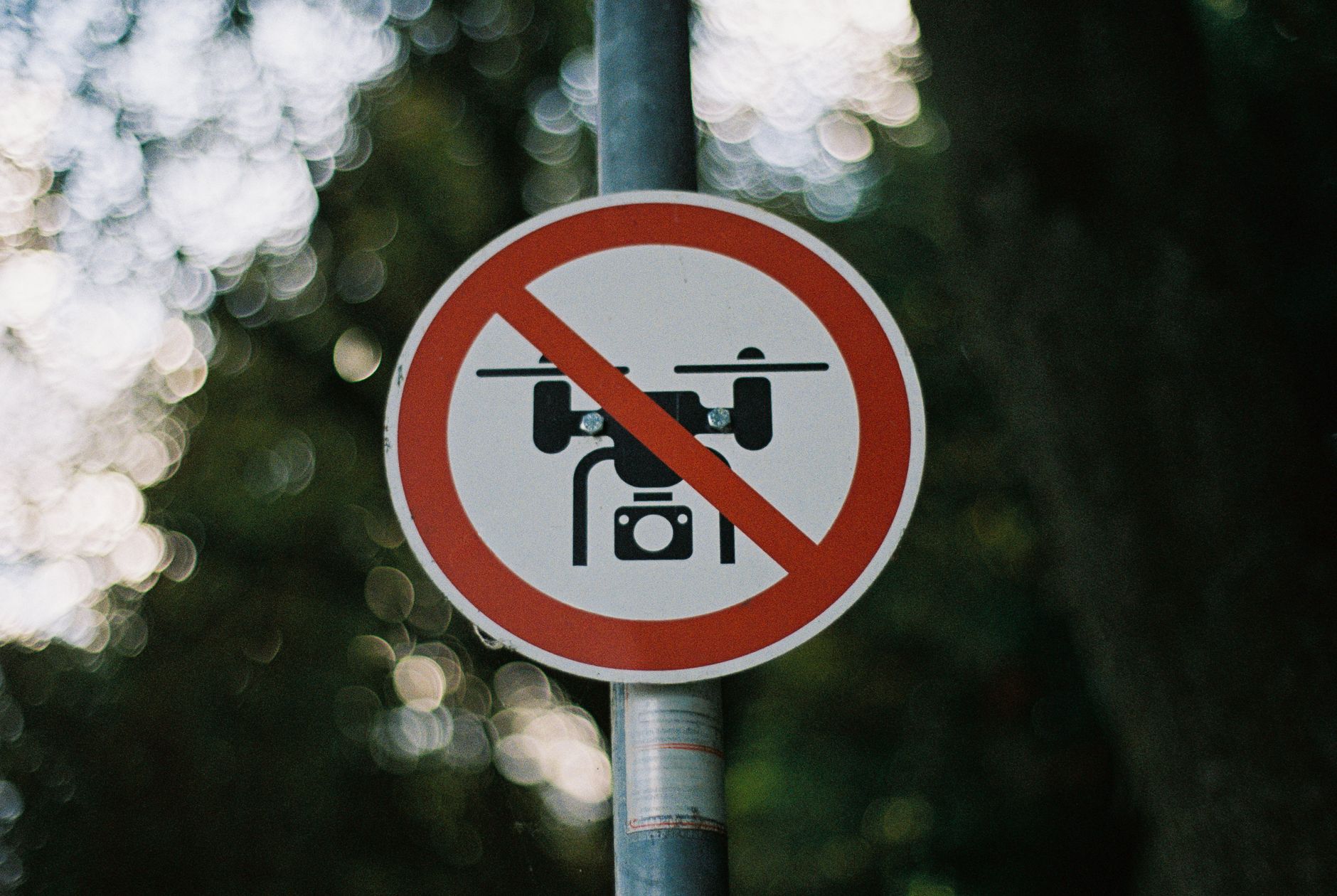
- No photos of Buddha statues inside halls — Almost all temple main halls prohibit interior photography, even without a "no photos" sign, please respect this
- Exterior photography is OK — Building facades, courtyards, and outdoor statues can be photographed
- Don't photograph monks — Don't take photos of monks without permission, especially those chanting or meditating
- No flash, ever — Even in areas where photography is allowed, flash can damage murals and Buddha statue surfaces
- If you're unsure whether photography is allowed, look around to see if others are taking photos, or just ask: "Kě yǐ pāi zhào ma?" (Can I take photos?). Some temples have "No Photography" signs outside the main hall too — follow the on-site signage. In my experience, about 70% of temples prohibit interior photography, and 30% have restrictions on exterior areas too. Don't be lazy — respecting their rules matters far more than getting one more photo
Dress Code
- Cover shoulders — No spaghetti straps or tank tops; bring a shawl or wear a jacket
- Cover knees — Shorts and skirts above the knee will get you turned away at many temples
- No flip-flops — Slippers aren't appropriate; sneakers or sandals are fine
- Tibetan Buddhist temples have stricter dress requirements — long pants and long sleeves recommended
- Popular tourist temples (like Lingyin Temple, Yonghe Temple) are relatively lenient on dress, but when in Rome, don't push it
Keep Quiet and Respect Monks
A temple is a place of practice and prayer, not a playground. Being loud inside is not only rude but may disturb monks and worshippers who are chanting or meditating.
- Keep your voice down; don't make phone calls or scroll through videos inside halls
- Watch your kids — don't let them run and chase inside shrine halls
- Put your phone on silent or vibrate; make it a habit before entering any hall
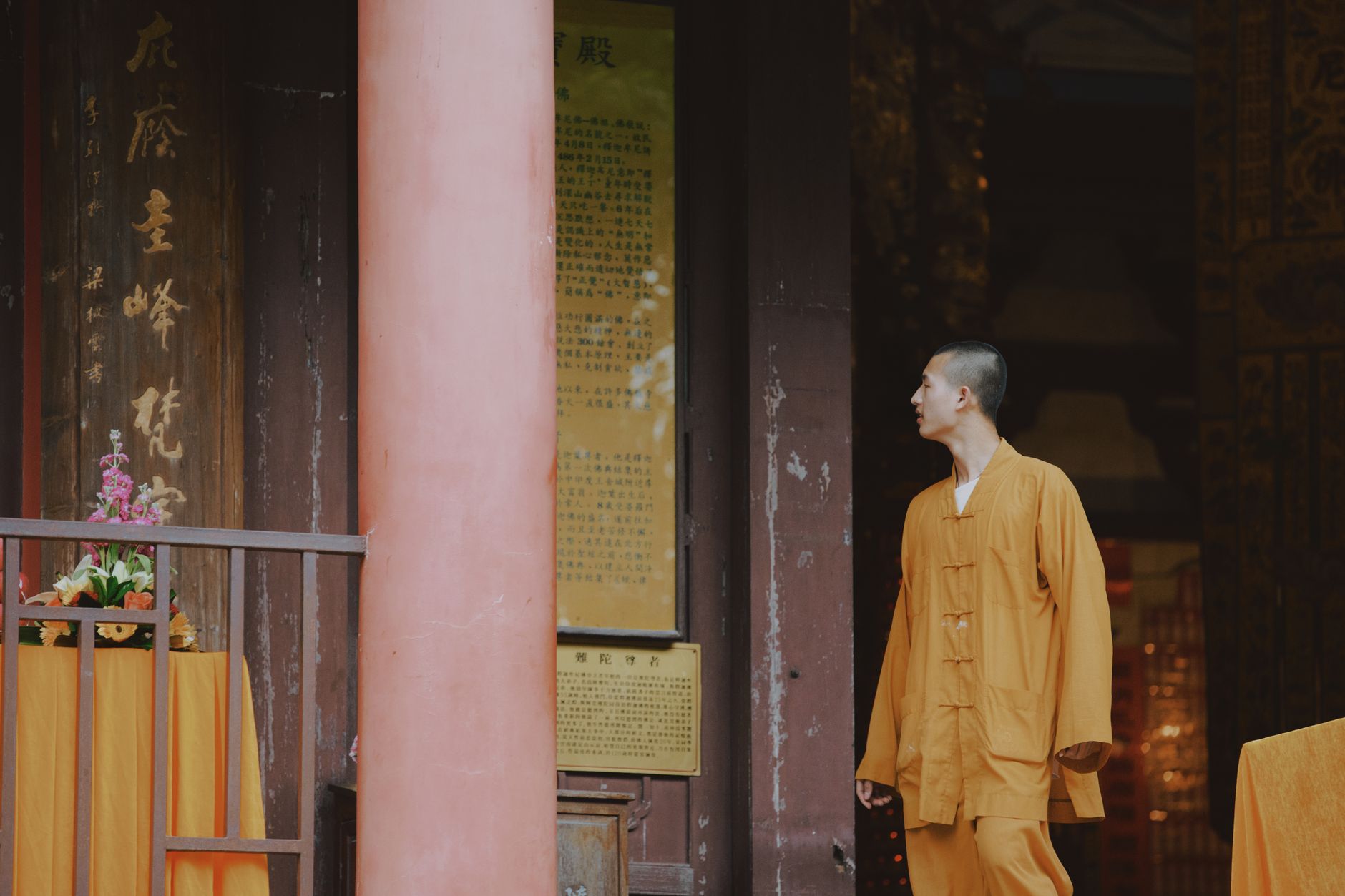
- Never touch a monk's head — In many Asian cultures, touching someone's head is disrespectful; for monks, it's a major taboo
- Don't ask to take photos with monks — Unless they offer, don't chase monks around for photos
- A slight nod when passing a monk is sufficient; no need for elaborate bows
- Don't pry into monks' personal lives (questions like "why did you become a monk?")
- If someone hands you incense or an object, receive it with both hands — basic courtesy
Tickets and Reservations
- Paid temples — Lingyin Temple (free as of December 2025, advance reservation required via Alipay or WeChat mini-program), Shaolin Temple (¥80), Jokhang Temple (¥85) — most famous temples charge admission
- Free temples — Many city temples are free, such as Wenshu Monastery in Chengdu (free), Nanputuo Temple in Xiamen (free but requires reservation), Fayuan Temple in Beijing (free)
- Reservation channels — Search the temple name in WeChat Mini Programs, or use Dianping / Meituan. Popular temples may require advance reservations during holidays
- Free admission ≠ no reservation — Some temples are free but still require advance booking; showing up without one means you can't enter. This is especially common during peak travel seasons (Spring Festival, National Day)
- Bring your passport — Tickets and reservations require ID. Some temple ticket windows only accept cash or WeChat Pay; Alipay may not work, so prepare multiple payment methods
- Seasonal hours — Temple opening hours vary by season; off-season (November to March) typically closes earlier, peak season may extend hours
Fortune Sticks (Qiú Qiān)
- Drawing a fortune stick is a tradition at many Chinese temples — shake the bamboo tube until a stick falls out, each stick has a number, then look it up at the interpretation desk or in a divination book
- Not all temples have this — Large temples usually do; small ones may not
- Generally free or ¥10-20
- Interpretation — Some temples have a dedicated interpreter (free or donation-based); others only have a book for self-reading
- Fortune texts are in Chinese — take a photo and ask a Chinese friend to translate
- Don't take it too seriously; treat it as a cultural experience
Timing and Best Visiting Hours
- Right at opening — Fewer people, quiet, soft light for photos, and you might catch the monks' morning chanting
- Weekdays — Much less crowded than weekends; better experience
- Avoid the 1st and 15th of the lunar month — These are days when Buddhist devotees concentrate their temple visits; temples are significantly more crowded
- Major ceremony periods — Buddha's Birthday (8th day of the 4th lunar month), Laba Festival, etc. — temples hold special ceremonies worth experiencing, but expect crowds
- Allow 1-2 hours — Large temples like Lingyin Temple and Yonghe Temple need at least two hours to fully explore
Troubleshooting
Scenario 1: Stepped on the Threshold and Got Corrected
Problem: You stepped on the threshold entering a hall, and an older lady speaks up to correct you.
What to do:
- Apologize with a nod, step back, and walk over it properly
- The lady isn't being difficult — she has genuine faith
- Just remember to step over from now on; it's not hard
Scenario 2: Told to Stop Taking Photos Inside the Hall
Problem: You raise your phone in front of a Buddha statue, and a staff member walks over to stop you.
What to do:
- Immediately put your phone away and apologize
- Don't argue "but others were doing it" — someone else breaking the rule doesn't make it OK for you
- For building exteriors and courtyards, you can shoot freely outside
Scenario 3: Denied Entry for Wearing Shorts
Problem: It's summer, you wore athletic shorts to a temple, and the staff stops you at the entrance.
What to do:
- Most temples have free wrap skirts or cloths at the entrance — tie one around your waist to cover your knees
- Or keep a pair of long pants in your bag to change into at the temple
- If no wrap is available and you can't change, come back another day — don't argue with the staff
- Lesson: In summer, wear long pants or bring a pair when visiting temples
Verified: August 2026 · Sources: Buddhist Association of China public information, official temple websites and visitor guidelines · Temple rules may vary slightly by location.
The following are the author's personal QR codes (not merchant codes), with a fixed amount of ¥10.00 set for testing whether your card binding was successful.


About Personal QR Codes: This website is maintained by an individual. The QR codes are for personal daily use, not merchant codes. Since personal QR codes may not be able to accept international credit card payments, the transaction may fail. However, this does not mean your card binding failed — the fact that you reached the payment page itself confirms that your binding was successful.
About the Amount: Please do not modify the preset amount. This is simply a payment test. If the payment goes through, consider it as buying me a coffee. The fixed amount is set to avoid any inconvenience caused by accidentally entering the wrong amount.
Important: The primary purpose of these codes is to help you verify whether your registration and card binding were successful, not to generate profit. If you're not comfortable, feel free to skip this step.