Quick Answer (30 Seconds)
Eating in China doesn't require much Chinese. 30 phrases cover all scenarios: ordering — use "this one" (zhè ge), "that one" (nà ge), "one portion please" (lái yí fèn); spice level — "no spice" (bú yào là), "mild" (wēi là); dietary restrictions — "no cilantro" (bú yào xiāng cài), "no green onions" (bú yào cōng); paying — "check please" (mǎi dān), "how much" (duō shao qián); compliments — "delicious" (hǎo chī), "too salty" (tài xián le). Each phrase has pinyin — just read it out. If you really can't pronounce it, turn your phone screen toward the server — this trick works every time in China.
Full Guide
Eating in China, you will encounter menus you can't read and servers who don't speak English. But don't worry — the ordering process in Chinese restaurants is actually simple. Master these 30 phrases and you'll handle 90% of situations. I've lived in China for five years. When I started, I could only say "this one" and "that one," pointing at menu pictures — and I still ate my way across the country. Here are the 30 phrases organized by scenario, each with pinyin and English translation.
Ordering (8 Phrases)
- 这个 — zhè ge — "this one" (point at the menu picture — the most useful phrase)
- 那个 — nà ge — "that one" (point at what the next table is eating — very effective)
- 来一份 — lái yí fèn — "one portion please" (use with "this one": "zhè ge, lái yí fèn")
- 还要 — hái yào — "I also want..." (when adding more dishes)
- 不要了 — bú yào le — "that's all / no more" (when you've ordered enough — the server will confirm "enough?")
- 有什么推荐? — yǒu shén me tuī jiàn — "any recommendations?" (let the server choose for you — they'll usually recommend the house specialty)
- 这个怎么念? — zhè ge zěn me niàn — "how do you pronounce this?" (when you see unfamiliar characters on the menu)
- 加菜 — jiā cài — "add more dishes" (when you want to order more mid-meal)
Practical tip: Walk in, sit down, server hands you a menu. Point at a picture and say "zhè ge lái yí fèn" (this one, one portion), then point at another and say "nà ge yě lái yí fèn" (that one too, one portion). Done. If there are no pictures, stand up and look at what the next table is eating, then point it out to the server. Chinese people do this too — nothing to be embarrassed about.
How much to order: One person — 1-2 dishes (one main, one side). Two people — 2-3 dishes plus a soup. Three to four people — 4-5 dishes. Chinese ordering emphasizes a mix of meat and vegetables — one meat, one veggie, one soup is the basic config. If you're unsure about portion sizes, order less first and add more later (say "jiā cài").
Paying the Bill (5 Phrases)
- 买单 — mǎi dān — "check, please" (the two most important Chinese characters — works in every restaurant across China)
- 多少钱? — duō shao qián — "how much?" (confirm the amount when paying)
- 打包 — dǎ bāo — "to go / takeaway" (when you want to pack up leftovers — Chinese restaurants generally don't charge for this)
- 扫码 — sǎo mǎ — "scan the QR code" (many restaurants use tabletop QR codes for ordering and payment)
- 发票 — fā piào — "receipt" (when you need a proper tax receipt for reimbursement)
Practical tip: After eating, find the server and say "mǎi dān" (check please). They'll bring the receipt or have you scan a QR code to pay. No tipping in China — pay exactly what it says. More and more restaurants now have QR codes on the table — scan, order, and pay yourself, no need to talk to the server at all. Introvert's dream.
Spice Level (4 Phrases)
- 不要辣 — bú yào là — "no spice" (Chinese dishes may come with chili by default — if you don't want heat, say this upfront)
- 微辣 — wēi là — "mild spice" (a token amount, just for show)
- 中辣 — zhōng là — "medium spice" (you can handle some heat but don't want to cry)
- 辣死了 — là sǐ le — "too spicy!" (when you discover it's still too hot — say this while chugging water)
Special warning: China's "mild" (wēi là) can be hotter than you expect. In Sichuan, Hunan, and Jiangxi, "mild" is roughly equivalent to "medium" or "hot" in Southeast Asia. If you really can't handle spice, say "bú yào là" (no spice) and emphasize it firmly. My first time ordering "mild" hotpot in Chengdu, I drank three bottles of sour plum juice to recover.
Dietary Restrictions (4 Phrases)
- 不要香菜 — bú yào xiāng cài — "no cilantro" (cilantro is everywhere in Chinese cuisine — if you hate it, always say this upfront)
- 不要葱 — bú yào cōng — "no green onions" (chopped scallions are a standard garnish)
- 不要蒜 — bú yào suàn — "no garlic" (minced garlic is common in many dishes)
- 不要冰 — bú yào bīng — "no ice" (for drinks you don't want chilled)
Practical tip: State your dietary restrictions first, then order the dish. For example: "bú yào xiāng cài, lái yí fèn niú ròu miàn" (no cilantro, one beef noodle soup). The server will note it for the kitchen — they'll generally comply. If you have serious food allergies, look up the Chinese terms in advance and write them on paper to show the server.
Common allergy terms in Chinese: peanuts = 花生 (huā shēng), nuts = 坚果 (jiān guǒ), seafood = 海鲜 (hǎi xiān), milk/dairy = 牛奶 (niú nǎi), eggs = 鸡蛋 (jī dàn), soy = 大豆 (dà dòu), wheat = 小麦 (xiǎo mài). If you have a severe allergy, write on your phone: "我对XX严重过敏,吃了会危及生命" (I am severely allergic to XX — it can be life-threatening) and show it to the server and chef.
Quantity and Utensils (4 Phrases)
- 两碗 — liǎng wǎn — "two bowls" (state by number of people — three people say "sān wǎn" for three bowls)
- 一瓶 — yì píng — "one bottle" (beer, drinks — "liǎng píng" means two bottles)
- 筷子 — kuài zi — "chopsticks" (some restaurants only provide chopsticks by default — if you can't use them, ask for a spoon)
- 勺子 — sháo zi — "spoon" (can't use chopsticks? Ask for a spoon — nothing to be ashamed of)
Useful tip: Chinese restaurant tableware may need to be rinsed with hot water first (many restaurants provide a small kettle or bowl of hot water for this) — it's a Chinese hygiene habit. If chopsticks are disposable, rub them together gently after breaking apart to remove splinters. Use a porcelain spoon for soup, chopsticks for rice, and either for noodles.
Compliments and Feedback (5 Phrases)
- 好吃 — hǎo chī — "delicious" (the simplest and most effective compliment — servers will be happy)
- 很好喝 — hěn hǎo hē — "tastes good" (for drinks/soup — use "hē" for drinking, not "chī")
- 太咸了 — tài xián le — "too salty" (Chinese food tends to be on the salty side, especially northern cuisine)
- 再来一杯 — zài lái yì bēi — "another glass" (when your beer is empty and you want more)
- 谢谢 — xiè xie — "thank you" (the universal phrase — say it when paying and leaving, it adds politeness)
Cultural note: Saying "hǎo chī" (delicious) is the highest praise in Chinese dining. If the chef comes out to ask how the food is, give a thumbs up and say "hǎo chī." At group dinners, Chinese hosts may serve food to your plate as a gesture of hospitality — don't refuse too much, just say "xiè xie" and accept. The host paying the bill is the norm — if you're the guest, don't fight to pay. Return the favor next time.
Pinyin Quick Reference Table
- Ordering: 这个 (zhè ge), 那个 (nà ge), 来一份 (lái yí fèn), 还要 (hái yào), 不要了 (bú yào le), 有什么推荐 (yǒu shén me tuī jiàn), 加菜 (jiā cài)
- Paying: 买单 (mǎi dān), 多少钱 (duō shao qián), 打包 (dǎ bāo), 扫码 (sǎo mǎ), 发票 (fā piào)
- Spice: 不要辣 (bú yào là), 微辣 (wēi là), 中辣 (zhōng là), 辣死了 (là sǐ le)
- Dietary: 不要香菜 (bú yào xiāng cài), 不要葱 (bú yào cōng), 不要蒜 (bú yào suàn), 不要冰 (bú yào bīng)
- Quantity/Utensils: 两碗 (liǎng wǎn), 一瓶 (yì píng), 筷子 (kuài zi), 勺子 (sháo zi)
- Feedback: 好吃 (hǎo chī), 很好喝 (hěn hǎo hē), 太咸了 (tài xián le), 再来一杯 (zài lái yì bēi), 谢谢 (xiè xie)
Disaster Manual
Disaster Scenario 1: Said "Mild" and Got Destroyed
Problem: You're eating hotpot in Chengdu, said "wēi là" (mild), and the first bite brings tears to your eyes.
What to do:
- Sichuan's "mild" is roughly equivalent to "medium" or "extra hot" elsewhere. If you truly can't handle spice, say "bú yào là" (no spice), not "wēi là"
- For hotpot, ask for "yuān yāng guō" (鸳鸯锅) — a split pot, half spicy, half not — best of both worlds
- Already burning? Drink milk or yogurt — it works better than water. Restaurants usually have sour plum juice (suān méi tāng) to cool the heat
- Lesson: In Sichuan and Chongqing, "not spicy" is the only truly not-spicy option. "Mild" is already them being generous
Disaster Scenario 2: Forgot to Say "No Cilantro" — Everything Has It
Problem: You hate cilantro but forgot to mention it, and every dish comes topped with a handful.
What to do:
- Many Chinese regions add cilantro by default, especially in the north and southwest
- Next time, state dietary restrictions first: "bú yào xiāng cài" (no cilantro), then order
- For dishes already served: pick the cilantro to the side, or ask for a bowl of hot water to rinse it off
- Some restaurants can re-cook the dish to remove it, but the flavor will change
- Lesson: Before ordering, tell the server your restrictions first
Disaster Scenario 3: No Pictures on the Menu, All Chinese
Problem: You walk into a local eatery, the menu is all Chinese text, no pictures, no English.
What to do:
- Use WeChat or Alipay's scan-to-translate feature — point the camera at the menu and translate
- Or use Google Translate (needs VPN) with real-time camera translation
- Simplest approach: stand up, look at what the next table is eating, point and say "nà ge lái yí fèn" (that one, one portion)
- Or just say "yǒu shén me tuī jiàn" (any recommendations?) and let the server choose
- Last resort: pull out your phone, open Dianping/Meituan, search nearby restaurants, find one with picture menus
Information verified: August 2026 · Pinyin references: Modern Chinese Dictionary (7th edition) · Chinese dining culture and spice preferences vary significantly by region.
The following are the author's personal QR codes (not merchant codes), with a fixed amount of ¥10.00 set for testing whether your card binding was successful.

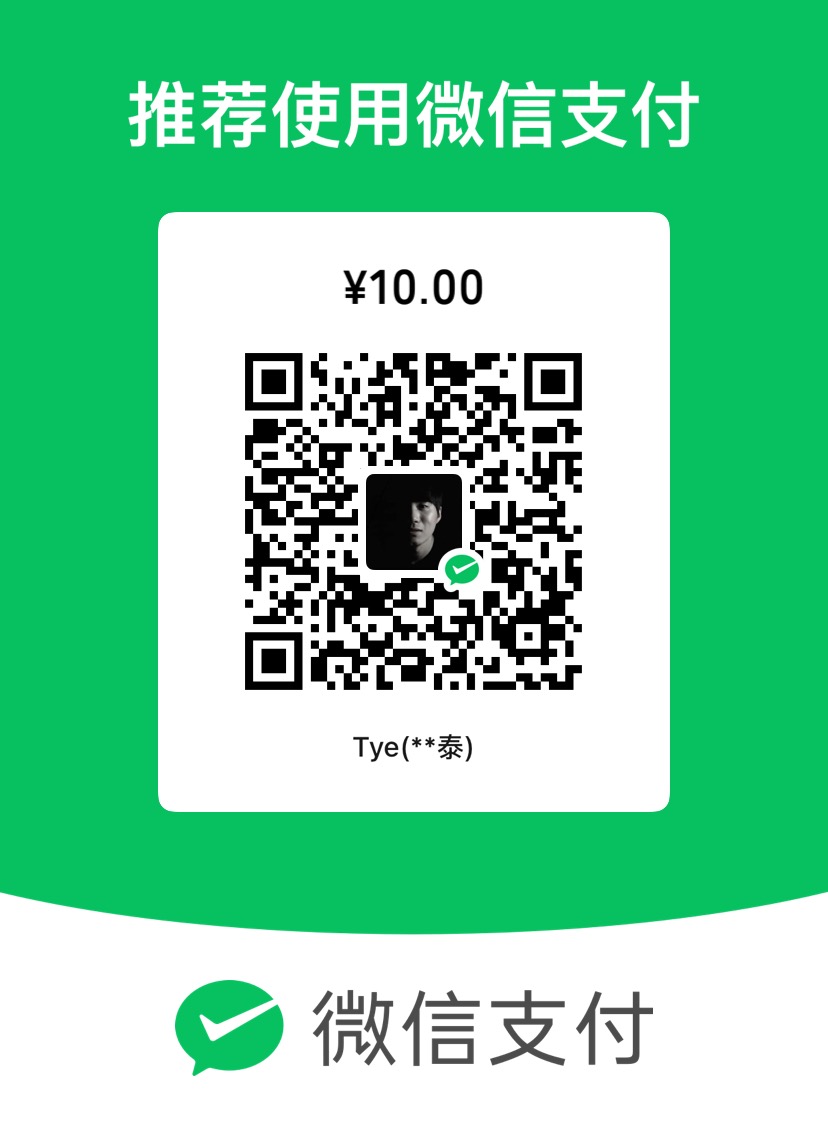
About Personal QR Codes: This website is maintained by an individual. The QR codes are for personal daily use, not merchant codes. Since personal QR codes may not be able to accept international credit card payments, the transaction may fail. However, this does not mean your card binding failed — the fact that you reached the payment page itself confirms that your binding was successful.
About the Amount: Please do not modify the preset amount. This is simply a payment test. If the payment goes through, consider it as buying me a coffee. The fixed amount is set to avoid any inconvenience caused by accidentally entering the wrong amount.
Important: The primary purpose of these codes is to help you verify whether your registration and card binding were successful, not to generate profit. If you're not comfortable, feel free to skip this step.