Quick Answer (30 Seconds)
China has tons of free attractions, but remember one iron rule: Free doesn't mean no reservation needed. Free parks (Beijing Olympic Park, Shanghai Century Park) are walk-in; free walking streets (The Bund, Datang Everbright City, Nanluoguxiang) are open all day; free museums (National Museum, provincial museums) require advance reservations, and some are nearly impossible to get. Free temples exist too, but some need reservations. Free markets (night markets, flower and bird markets) are the most casual — no reservation, no entrance fee. Check whether you need a reservation before you go, so you don't waste a trip.
Remember: Free stuff can be great stuff — don't dismiss it just because it's free.
Full Guide
One of the best surprises about traveling in China is how many free attractions there are. I've been here five years and visited more free attractions than paid ones. But free has its own pitfalls — the most common being "free but requires reservation." You think no admission fee means you can just walk in, and you get turned away at the gate.
Free Parks
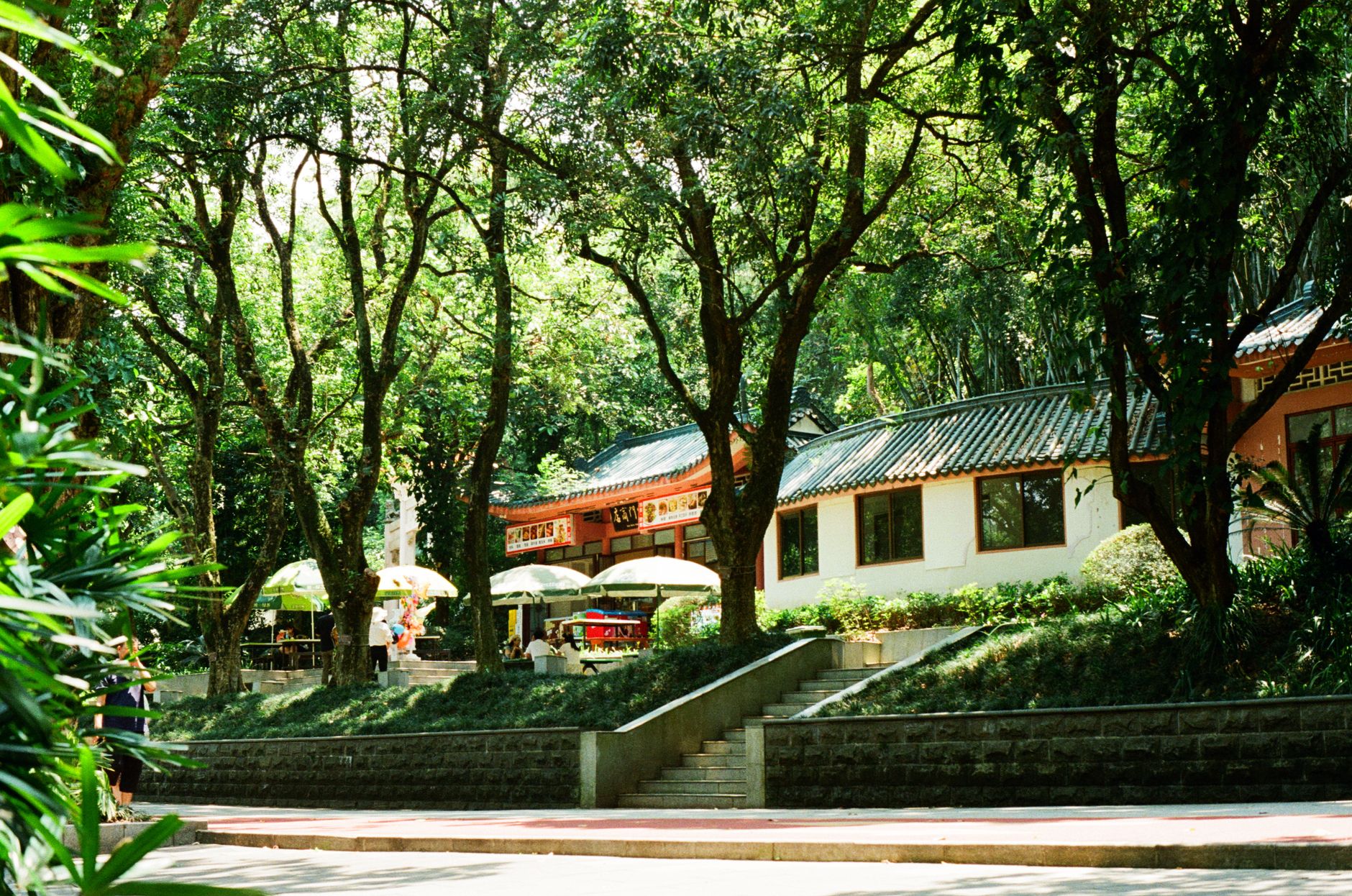
Big city parks in China are treasures — you can spend half a day without spending a yuan. Over five years, the places I visited most were free parks: mornings with elderly folks practicing tai chi, aunties doing plaza dance, old men walking their birds — this is the most authentic everyday Chinese life.
- Beijing Olympic Park — Free; see the Bird's Nest and Water Cube exteriors for free, the park itself is open to all, and the evening lights are beautiful
- Beijing Jingshan Park — ¥2 admission (basically free); climb to the top for a panoramic view of the Forbidden City — the best viewpoint in all of Beijing
- Shanghai Century Park — Free; Pudong's largest city park, great for walking and cycling, weekends bring families for picnics
- Shanghai People's Park — Free; the "marriage market" (xiāngqīn jiǎo) is worth seeing on weekends — parents holding up their children's "resumes" looking for matches, a fascinating glimpse into Chinese dating culture
- Chengdu People's Park — Free; a great spot to drink tea and zone out, experience Chengdu's "bā shì" (comfortable) lifestyle, ¥10 for a bowl of tea and you can sit all afternoon
- Hangzhou West Lake — The entire West Lake scenic area is free (some individual sites charge); cycling around the lake takes about 3-4 hours
- Nanjing Xuanwu Lake — Free; China's largest imperial garden lake, the walking path around the lake is perfect for strolling and jogging
Free Walking Streets
These places need no tickets and are open all day — perfect for wandering and eating. I often stroll through in the afternoon and solve dinner at the same time; it's more fun than queuing at tourist sites:
- Shanghai The Bund — Free; the best spot to view Pudong's skyline. Go at dusk for the best experience — lights turn on at 6 PM. Standing by the Huangpu River watching the night skyline is Shanghai's most romantic free experience
- Xi'an Datang Everbright City — Free; a Tang Dynasty-themed pedestrian street with spectacular nighttime performances, liveliest after 7 PM. The whole street is ablaze with lights, with Tang-style dance performances and the famous "Wobbling Lady" (bù dǎo wēng xiǎo jiě jie)
- Beijing Nanluoguxiang — Free; hutong culture plus snacks plus boutique shops — touristy but worth a stroll. Walk into the side hutongs and it gets much quieter — you can see real, lived-in old Beijing courtyard houses (sìhéyuàn)
- Beijing Qianmen Street — Free; old Beijing commercial street; the Dàzhàlán area has many time-honored brands. Quanjude Peking Duck and Tongrentang Pharmacy are both in this area
- Chengdu Kuanzhai Xiangzi (Wide and Narrow Alleys) — Free; Qing Dynasty-era streets renovated; larger than Nanluoguxiang. Wide Alley (Kuān Xiàngzi) has teahouses, Narrow Alley (Zhǎi Xiàngzi) has boutique shops, Well Alley (Jǐng Xiàngzi) has cultural walls
- Chongqing Hongyadong — Free; stilted building (diàojiǎolóu) night views that look straight out of Spirited Away. Lights are most beautiful 8-10 PM, but that's also peak crowd — consider going off-peak
- Wuhan Jianghan Road Pedestrian Street — Free; century-old concession architecture mixed with modern commerce, great for strolling and shopping
Free Museums
Many Chinese museums are free but require reservations, and popular ones are extremely competitive:
- National Museum of China (Beijing) — Free; tickets released 7 days in advance at 5 PM, sells out within minutes during peak season. Closed Mondays
- Capital Museum (Beijing) — Free; reservation required but not as competitive as the National Museum
- Provincial Museums — Most provincial museums are free, e.g., Shaanxi History Museum (free but notoriously hard to book), Hubei Provincial Museum, Hunan Museum, etc.
- Shanghai Museum — Free; reservation required, the new East Branch is very popular
- How to reserve — Search the museum name in WeChat Mini Programs, or use Dianping / Meituan
- Note — Almost all free museums are closed on Mondays — plan your itinerary accordingly
Free Temples
- Lingyin Temple (Hangzhou) — Free as of December 2025 (advance reservation required — search "杭州灵隐飞来峰" mini-program on Alipay or WeChat)
- Yonghe Temple (Beijing) — ¥25; Tibetan Buddhist temple, very popular for incense
- Truly free temples — Many small city temples are free, such as Wenshu Monastery in Chengdu (free), Nanputuo Temple in Xiamen (free but requires reservation)
- Note — Free temples may also require reservations — check ahead
Free Markets
Markets are the most down-to-earth free "attractions" — no reservation needed, walk right in. If you want to see real everyday Chinese life, skipping markets would be a huge missed opportunity:
- Night Markets — Every city has them: Chengdu Jinli Night Market, Xi'an Huimin Jie (Muslim Street), Changsha Taiping Street — eat while you stroll. Night markets typically start around 5-6 PM and get livelier as it gets later
- Flower and Bird Markets — Beijing Guanyuan Flower and Bird Market (relocated but similar markets still exist), Shanghai Wanshang Flower and Bird Market — see flowers, birds, fish, and bugs; old men carrying bird cages for a stroll — a scene you absolutely won't see abroad
- Wet Markets (Càishìchǎng) — Be bold, walk in and look around. Chinese wet markets are the most authentic slice of daily life — vegetables, fruits, meats, seafood, vendors enthusiastically calling out. A hundred times more interesting than a supermarket. Don't speak Chinese? Pointing works fine
- Antiques Market — Beijing Panjiayuan Flea Market (weekends are busiest), great for treasure hunting. From old books to jade to curios, they've got everything. But don't expect to find real antiques — treat it as entertainment
- Morning Markets — Many cities still have dawn markets that open before sunrise, selling breakfast and fresh produce — the most authentic Chinese daily life
Free Doesn't Mean No Reservation
This is the most important point. Many free attractions still require reservations:
- Museums — Almost all free museums require reservations; popular ones (National Museum, Shanghai Museum, Shaanxi History Museum) — start trying 7 days in advance
- Some temples — Free but you can't enter without a reservation
- Tiananmen Square — Free but requires WeChat reservation
- Reservation channels — Search the attraction name in WeChat Mini Programs, or search on Dianping / Meituan
- Foreigner reservations — Use your passport number to book. Some Mini Programs require a Chinese phone number for verification — you can use Trip.com as an alternative
Troubleshooting
Scenario 1: Free Museum, No Reservation, Turned Away
Problem: You arrive at the National Museum, discover it's free but requires a reservation, and you don't have one.
What to do:
- Open the WeChat Mini Program on the spot and check for available slots (sometimes people cancel and release tickets)
- If fully booked, go to nearby free attractions that don't need reservations: Qianmen Street, Wangfujing Pedestrian Street
- Or go to Jingshan Park (¥2) and climb up for a panoramic view of the Forbidden City
- Lesson: Treat free museums with the same seriousness as paid attractions — set an alarm 7 days in advance to grab tickets
Scenario 2: Free Attraction Is Packed Shoulder-to-Shoulder
Problem: You go to Datang Everbright City — it's free, sure, but you can barely move.
What to do:
- Golden Week and weekends are when free attractions are most crowded — go off-peak if you can
- Weekdays are much less crowded — ten times better experience
- If you can't avoid peak times: go early (9-10 AM) or late (after 9 PM the crowds thin out)
- Datang Everbright City's light displays are still beautiful after 10 PM but with far fewer people
Scenario 3: Approached by "Friendly" Strangers in a Free Park
Problem: You're walking in a free park and someone strikes up a friendly conversation, offering to take you to a "special place."
What to do:
- This is almost always the beginning of a sales pitch or scam — politely refuse and walk away
- "Friendly" strangers approaching you in Chinese parks almost always have an agenda (selling tea, calligraphy, massages, etc.)
- Don't follow strangers anywhere, even if they seem genuinely nice
- Just enjoy the park normally — Chinese parks themselves are safe; just don't fall for "great deals"
Verified: August 2026 · Sources: Official attraction announcements, local culture and tourism department public information · Free policies and reservation requirements may change.
The following are the author's personal QR codes (not merchant codes), with a fixed amount of ¥10.00 set for testing whether your card binding was successful.

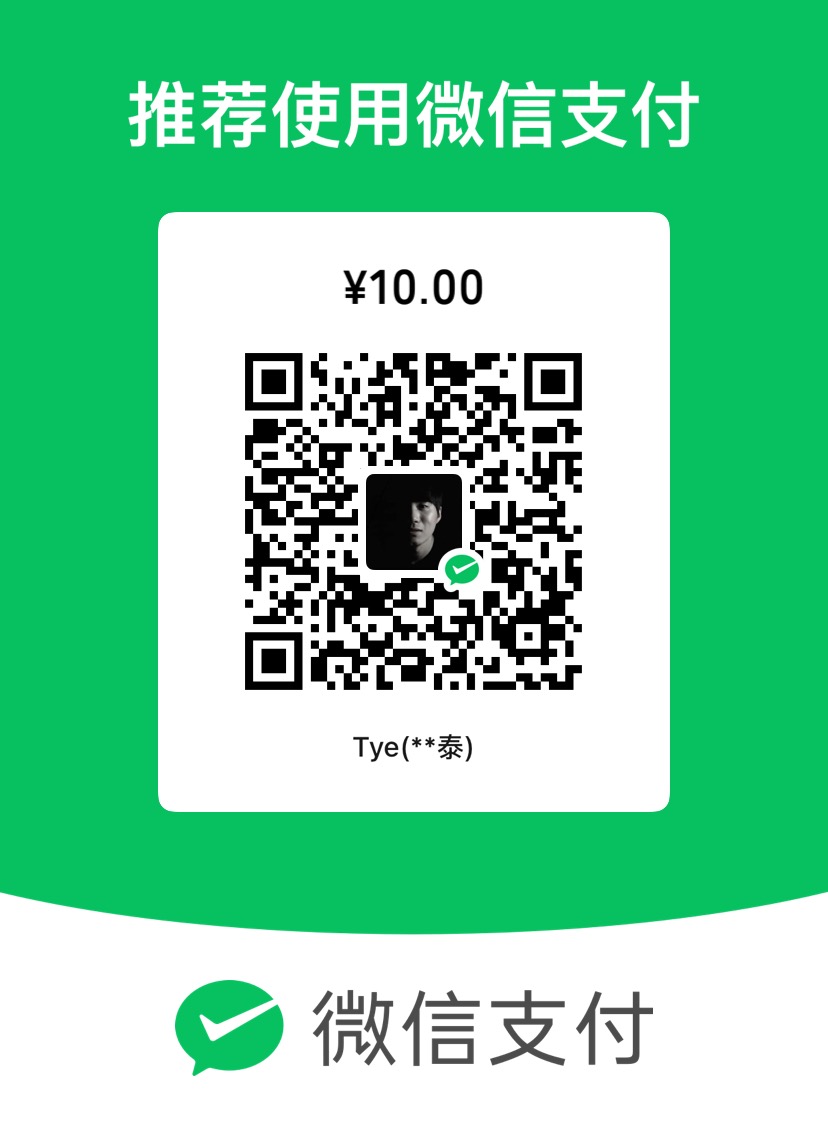
About Personal QR Codes: This website is maintained by an individual. The QR codes are for personal daily use, not merchant codes. Since personal QR codes may not be able to accept international credit card payments, the transaction may fail. However, this does not mean your card binding failed — the fact that you reached the payment page itself confirms that your binding was successful.
About the Amount: Please do not modify the preset amount. This is simply a payment test. If the payment goes through, consider it as buying me a coffee. The fixed amount is set to avoid any inconvenience caused by accidentally entering the wrong amount.
Important: The primary purpose of these codes is to help you verify whether your registration and card binding were successful, not to generate profit. If you're not comfortable, feel free to skip this step.