Quick Answer (30 seconds)
90% of transactions in China go through Alipay or WeChat Pay. But you still need cash for: wet markets, street vendors, old taxis, some temples, and small towns. ATM withdrawal limit: ¥2,500-3,000 per transaction, ¥10-30 fee per withdrawal. Carry ¥500-1,000 as a one-week backup. China has no tipping culture — tipping will make things awkward.
Don't exchange money at the airport — worst rates. Go to Bank of China or ICBC for the best rates.
Full Guide
You set up Alipay, bound your foreign card, and feel ready. Then you spot a street vendor selling jianbing (煎饼 - jiān bǐng, Chinese crepe). You pull out your phone to scan — the vendor shakes their head and points to a faded QR code that your Alipay can't read. This is when you need cash.
Where You Still Need Cash
- Wet markets and street vendors — Many don't accept digital payments, or only take WeChat (not Alipay)
- Street food — Skewers, crepes, candied hawthorn — ¥5-20 stalls
- Old taxis — Traditional cabs not on ride-hailing apps, some cash-only
- Temples — Incense money, donation boxes, some small temples cash-only
- Small towns and rural areas — Digital payment coverage is incomplete
- Some attraction tickets — Less popular sites may only accept cash
ATM Withdrawal Guide
Which ATMs accept foreign cards:
- Bank of China — most reliable, accepts Visa/Mastercard
- ICBC (Industrial and Commercial Bank of China) — reliable
- China Construction Bank (CCB) — reliable
- China Merchants Bank — reliable, English interface
Fees and limits:
- Chinese ATM fee: ¥10-30 per transaction (varies by bank)
- Per-transaction withdrawal limit: ¥2,500-3,000
- Daily withdrawal limit: ¥10,000-20,000
- Your card issuer may add 1-3% foreign transaction fee
How to use: Insert card → select English → enter PIN → select amount → take cash. Some ATMs require a 6-digit PIN. If your card has a 4-digit PIN, add zeros in front (e.g., 1234 → 001234).
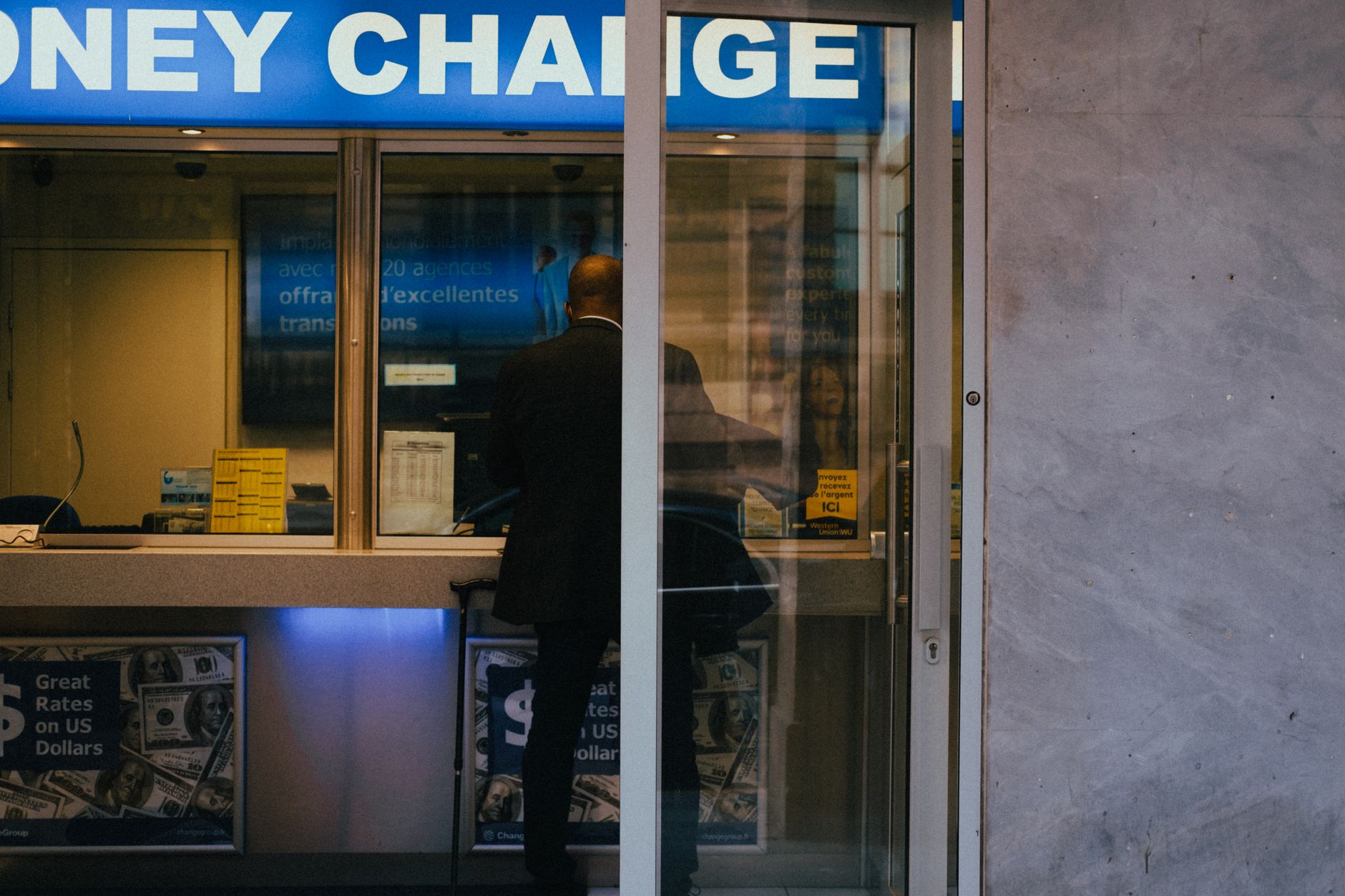
Currency Exchange Guide
Don't exchange at the airport. Airport rates are 5-10% below market — the worst option.
Best options:
- Bank of China counter — rates closest to market, bring passport, hours 9 AM-5 PM
- ICBC counter — same
- ATM withdrawal — rates set by Visa/Mastercard at market price, usually better than counter
What to bring: Your original passport. Banks require ID registration for currency exchange.
How Much Cash to Carry
- One-week trip — ¥500-1,000 (assuming Alipay is set up)
- Two-week trip — ¥1,000-2,000
- One month — ¥2,000-3,000
Most of the time, your cash will come back untouched. But when you need it, not having it is a problem.
Tipping? Don't.
China has no tipping culture. Restaurants, taxis, hotels — no tipping expected. If you leave money on the table, the server may chase you down to return it.
The only exception: luxury international hotels (Marriott, Hilton) where bellhops might expect a tip — but even then, it's not required.
Troubleshooting
Problem 1: ATM Won't Read Your Card
What happens: You insert your card and the ATM says "unable to read" or "card type not supported."
Fix: Try a different bank's ATM — compatibility varies. Make sure your card has a 4-digit PIN (Chinese ATMs require 4-6 digits). If it's an Amex, many ATMs don't accept it — only some Bank of China machines do. If all else fails, go to a bank counter for a cash advance on your credit card.
Problem 2: Bad Exchange Rate
What happens: You exchanged money at the airport or hotel and got a terrible rate.
Fix: Only exchange a small amount at the airport (¥200-300, enough for a taxi to the city center). Once in the city, go to a Bank of China counter for larger amounts. Or just use an ATM — rates are set by Visa/Mastercard at market price.
Problem 3: Ran Out of Cash in a Small Town
What happens: You're in a remote area, can't find an ATM, and Alipay isn't widely accepted.
Fix: Look for a China Post office (China Post) — they usually have ATMs. Or find a local shop owner and ask to exchange: transfer ¥100 via WeChat to the shop owner, they give you ¥100 cash. This "mutual exchange" is common in China — don't be embarrassed to ask.
Last verified: August 2026 · Sources: Bank of China exchange rates (bankofchina.com), Trip.com currency guide, you.co China ATM guide, chinasurvivalkit.com · Rates and fees may change.
The following are the author's personal QR codes (not merchant codes), with a fixed amount of ¥10.00 set for testing whether your card binding was successful.
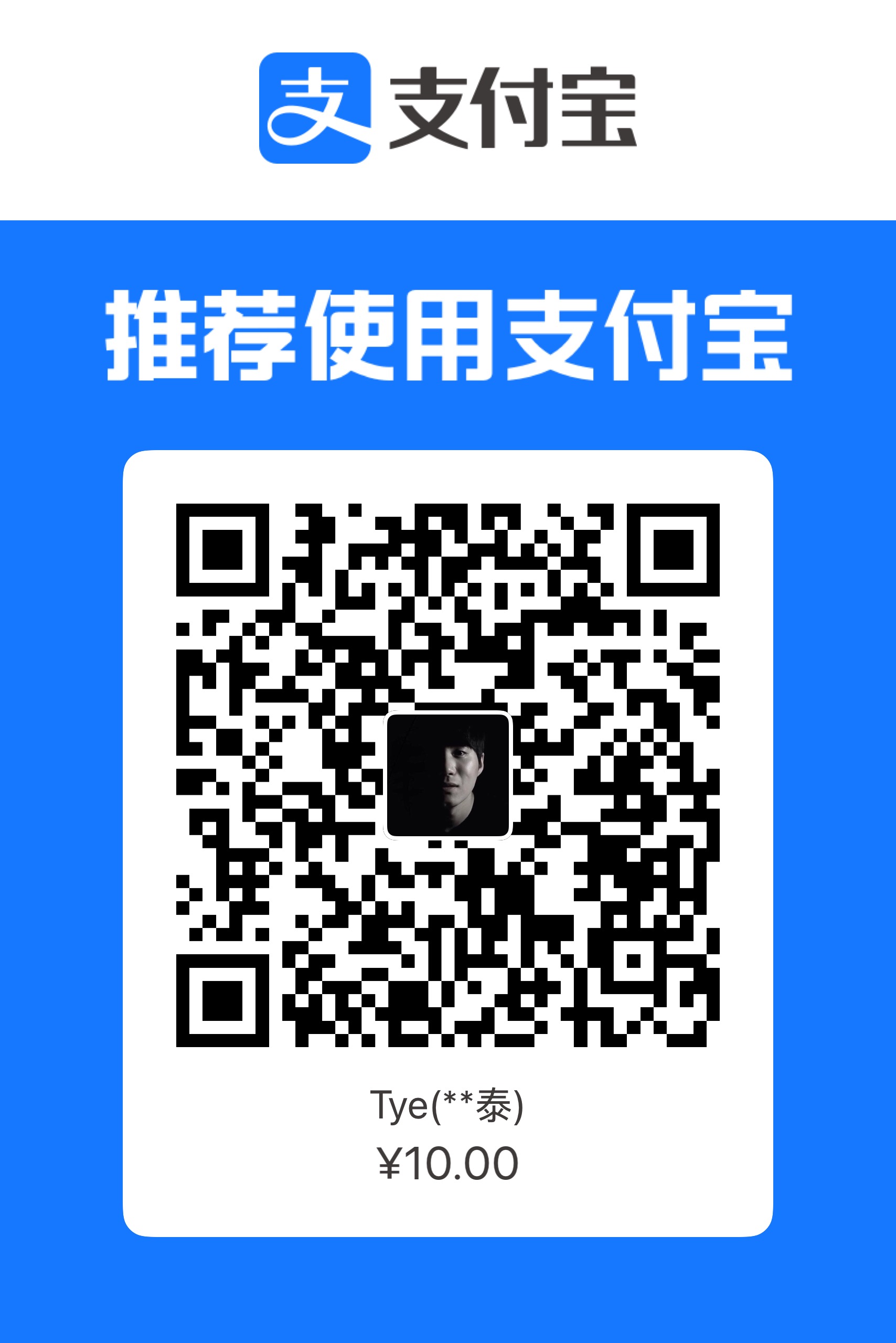
About Personal QR Codes: This website is maintained by an individual. The QR codes are for personal daily use, not merchant codes. Since personal QR codes may not be able to accept international credit card payments, the transaction may fail. However, this does not mean your card binding failed — the fact that you reached the payment page itself confirms that your binding was successful.
About the Amount: Please do not modify the preset amount. This is simply a payment test. If the payment goes through, consider it as buying me a coffee. The fixed amount is set to avoid any inconvenience caused by accidentally entering the wrong amount.
Important: The primary purpose of these codes is to help you verify whether your registration and card binding were successful, not to generate profit. If you're not comfortable, feel free to skip this step.